Thirteen basketball players who proved that standard human proportions can make for some of the most fascinating biometric trivia on the hardwood floor.
For every NBA player with freakish, court-warping arms, there’s someone going the exact opposite direction. Their wingspans are actually shorter than their standing height, which earns them a specific nickname you won’t find on an official scouting report: T-Rex arms.
This list tracks thirteen rare players whose arm spans fall directly below their vertical frames, resulting in a true negative ape index. Plenty of other players get by on merely average reach (think Stephen Curry, Jimmy Butler, or Kyle Lowry), but this club isolates the more extreme, unexpected proportions in hoops history.
What is an ape index?
Ape index is calculated as wingspan minus height. A +4″ ape index means an athlete’s arms reach four inches past their height. Conversely, a negative ape index means their wingspan falls short of their standing frame—the defining trademark of the T-Rex arms club.
Heights referenced here are official listed figures, which means even a razor-thin deficit of a quarter-inch gets an athlete an automatic invitation to the club. It creates some truly fascinating proportion gaps when compared directly against their official wingspans, proving that some players are simply built with a much shorter reach relative to their size.
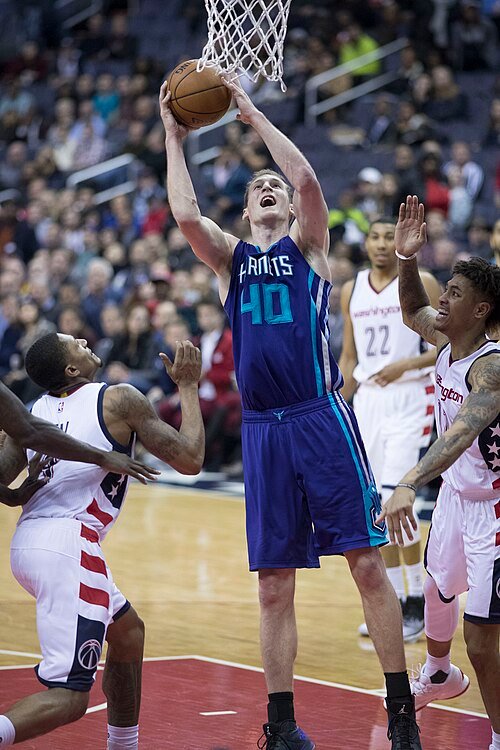
13. Cody Zeller
6’11” tall | 6’10.75″ wingspan | Ape index: -0.25″
Cody Zeller spent years fighting off constant draft-night internet rumors that he possessed a short reach, making him a permanent staple of fan discussions regarding basketball proportions. By comparing his official wingspan against his listed playing stature, he lands a true negative ratio by a quarter of an inch.
To see those specific frame limitations in a direct matchup, check out guard Mario Chalmers. Chalmers stands nearly a foot shorter than Zeller at 6’2″, yet his long 6’10” wingspan pulls completely level with the center’s total outspread distance. The contrast looks even more radical when compared directly to Giannis Antetokounmpo. Despite matching Zeller’s 6’11” height threshold precisely, the Greek Freak patrols the floor with a massive 7’3″ wingspan—leaving Zeller surrendering a clean four inches of defensive airspace against an opponent of the exact same size.
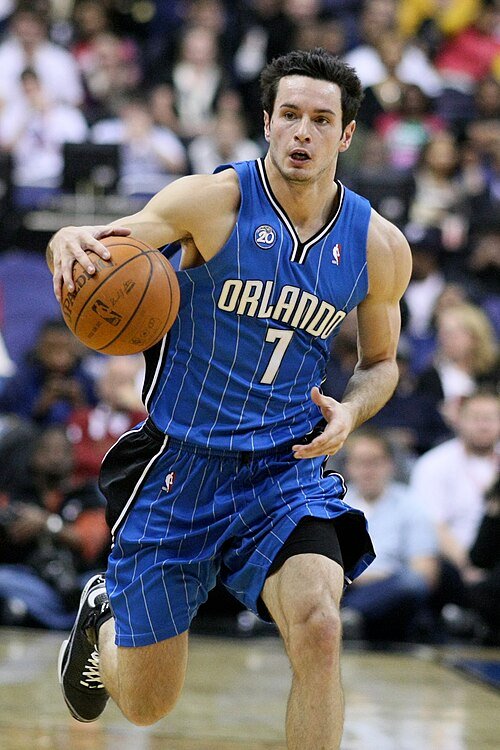
12. JJ Redick
6’3.5″ tall | 6’3″ wingspan | Ape index: -0.5″
JJ Redick is one of the most prominent examples of a perimeter weapon competing with a true reach deficit. While most shooting guards in the league rely on long, flowing arms to hoist shots over closing defenders, Redick spent his entire career operating with a wingspan that fell short of his vertical height.
To see those compact proportions in action, contrast him with his clear physical height peer, Russell Westbrook. Westbrook stands right at that same 6’3.5″ to 6’4″ threshold, yet he wields a massive 6’8″ wingspan that grants him five full inches of extra structural extension. Even wilder, look at Isaiah Thomas. Thomas stands way down at just 5’9″—giving up over half a foot of height to Redick—yet his 6’2″ wingspan matches Redick’s total arm reach down to almost the exact same marker on a tape measure.
11. T.J. Ford
6’0″ tall | 5’11.5″ wingspan | Ape index: -0.5″
T.J. Ford is a classic case of an incredibly fast ball-handler navigating the court with a subtle arm shortage, operating with a total wingspan that fell half an inch shy of his standing height. While most guards rely on extended limbs to whip passes around defenders, Ford’s upper body frame broke standard backcourt scouting expectations completely.
To see that tight length side-by-side, contrast him with Dennis Schröder. Schröder stands at a roughly similar height baseline, yet he takes the floor with a sprawling 6’8″ wingspan—forcing Ford to surrender a massive eight and a half inches of raw horizontal coverage against a backcourt match-up of the exact same size. The deficit looks even more wild when compared to Nate Robinson. Despite standing three inches shorter than Ford at 5’9″, Robinson carried a 6’1″ wingspan, easily allowing a much smaller athlete to completely outreach the former Texas point guard on a standard tape measure.

10. Mason Plumlee
7’0″ tall | 6’11” wingspan | Ape index: -1.0″
Mason Plumlee stands out as an unusual low-post center because he navigates the paint with a true reach deficit, moving his arms through a frame that actually cuts an inch shorter than his standing height. While typical seven-footers look like giant soaring birds under the rim, Plumlee’s upper body breaks the standard scouting mold completely.
To see just how compact his proportions are, line him up next to his exact height peer, Mo Bamba. Bamba stands at that matching 7’0″ mark, yet he controls a monstrous 7’10” wingspan that grants him nearly a foot of extra lateral boundary space over Plumlee on the interior. The contrast becomes even more fascinating when you look at Michael Jordan. Despite giving up half a foot of standing height to the big man, The Great One possessed an identical 6’11” wingspan, forcing a seven-foot center into a flat tie for absolute upper-body reach.
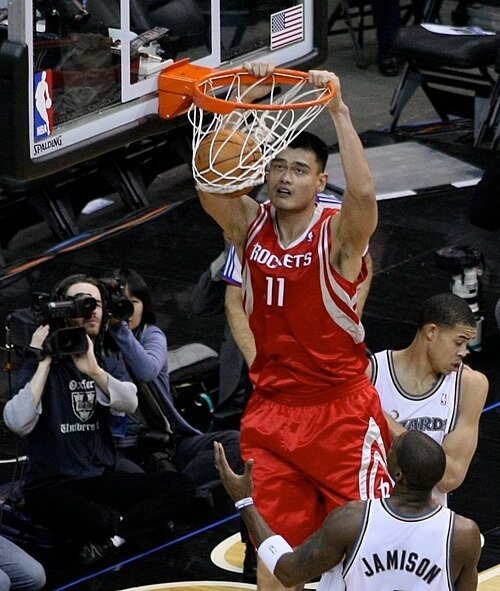
9. Yao Ming
7’6″ tall | 7’5″ wingspan | Ape index: -1.0″
Standing an incredible 7’6″ tall, Yao Ming is the ultimate anchor of the negative ape index club. He represents a massive anomaly among basketball giants because his wingspan actually measures an inch shorter than his standing height. While the vast majority of players in the league possess arms that stretch well past their frames, Yao went the opposite direction with a true reach deficit.
To see just how unusual this skeletal layout is, compare him to his exact 7’6″ height peer, Tacko Fall. Tacko boasts a mind-boggling 8’2″ wingspan, giving him nearly a full foot of extra arm reach over Yao despite sharing the same vertical frame. The contrast becomes even more striking when you look at Anthony Davis. Davis stands a full eight inches shorter than Yao at 6’10”, yet he actually possesses a slightly longer wingspan at 7’5.5″. The fact that a power forward can out-reach a 7’6″ center on a tape measure perfectly illustrates Yao’s unique upper-body proportions.
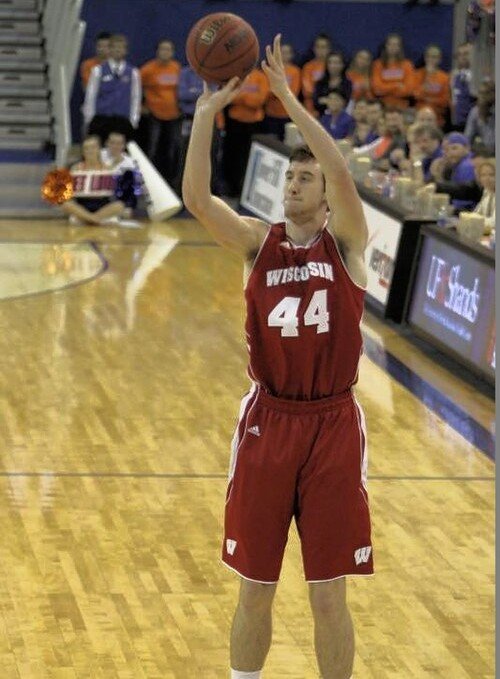
8. Frank Kaminsky
7’0″ tall | 6’11” wingspan | Ape index: -1.0″
Frank Kaminsky is highly recognizable for his specific perimeter-oriented style, playing the game with a body layout that flips standard big-man scouting reports on their head. He represents an unusual case on the interior because his total arm span measures an inch shorter than his standing stature.
To look at that reach gap side-by-side, contrast him with Shaquille O’Neal, who stood at a roughly similar 7’1″ peak. Shaq brandished a colossal 7’7″ wingspan, granting him a massive eight inches of extra coverage over Kaminsky’s frame. Even more surprising is the comparison to guard Donovan Mitchell. Despite standing way down at 6’3″ and giving up nine full inches of vertical height, Mitchell’s 6’10” wingspan still manages to pull completely even with the physical fingertip reach of the former Wisconsin big man.

7. Antonis Fotsis
6’10” tall | 6’8.5″ wingspan | Ape index: -1.5″
Antonis Fotsis spent a brief chapter of his playing career navigating the floor with arms that fell an inch and a half short of his standing stature. While European imports are often scouted to bring high-sweeping length to the court, his frame featured an unexpectedly stubby wing layout.
To view those narrow physical boundaries side-by-side, check out guard Anthony Edwards. Despite standing way shorter at 6’4″ and giving up a half-foot of height to the big man, Edwards brandishes a longer 6’9″ wingspan, completely outstretching Fotsis on a basic measurement check. The gap grows even wider when you look at Dwight Howard. Howard stood at that matching 6’10” mark, yet Fotsis surrenders eight full inches of immediate defensive coverage against a frontcourt match-up of his own size class because his arms fall so dramatically short of his height.
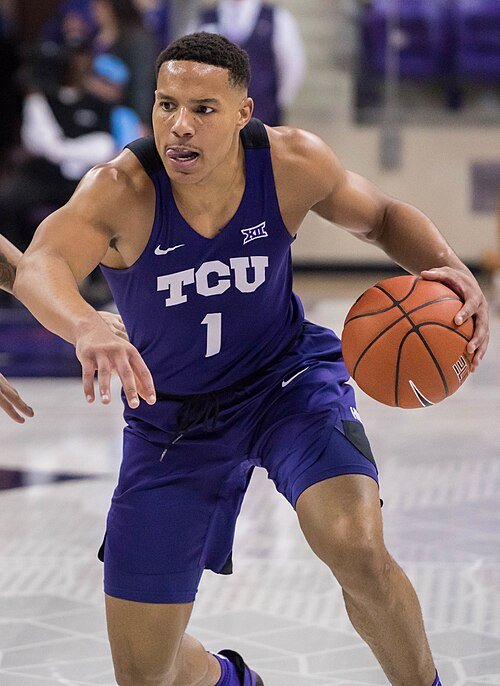
6. Desmond Bane
6’6″ tall | 6’4″ wingspan | Ape index: -2.0″
Desmond Bane has affectionately embraced the literal “T-Rex” nickname due to his uniquely blocky torso and short arm alignment. He remains one of the most recognizable examples of a high-volume shooter navigating the floor with a reach that falls two full inches short of his standing stature.
To see that rapid truncation side-by-side, contrast him with Kawhi Leonard. Leonard shares that identical 6’6″ vertical mark, yet he features a massive 7’3″ wingspan—granting him an eleven-inch structural advantage over Bane’s reach. The deficit is highlighted even further when looking at Chris Paul. Despite standing half a foot shorter than Bane at just 6’0″, Paul’s 6’4″ wingspan still manages to tie the Memphis guard’s maximum fingertip range exactly.
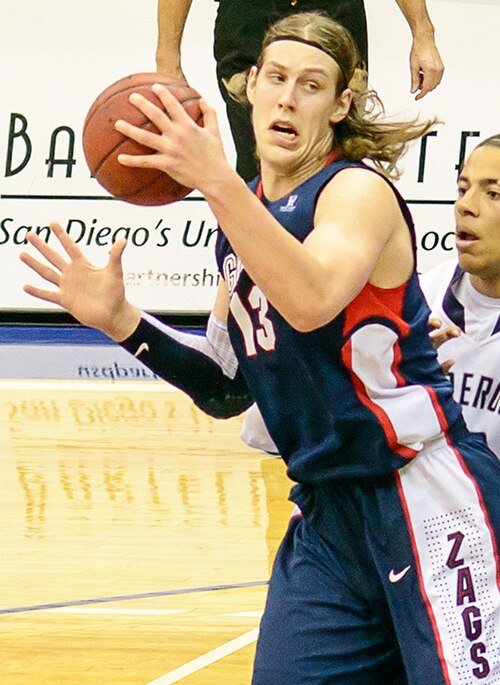
5. Kelly Olynyk
7’0″ tall | 6’10” wingspan | Ape index: -2.0″
Kelly Olynyk is a highly skilled seven-footer who frequently shocks fans by handling, passing, and shooting with the fluid motion of a guard. What makes his smooth perimeter mobility even more fascinating is his upper-body skeletal structure, which features a total wingspan that falls two inches short of his standing vertical height.
To visualize that unexpected interior deficit, compare him directly to his positional height peer, Kevin Durant. Durant stands at roughly that same seven-foot plateau, yet he wields a massive 7’5″ wingspan that grants him a staggering seven inches of extra absolute reach. The contrast becomes even more striking when you look all the way down at point guard Rajon Rondo. Olynyk stands nearly a foot taller than the 6’1″ playmaker, yet Rondo’s sprawling 6’9″ wingspan leaves him just a single inch away from matching a seven-foot center’s total arm length down to the tape measure.

4. Svi Mykhailiuk
6’7″ tall | 6’5″ wingspan | Ape index: -2.0″
Svi Mykhailiuk carries one of the most baffling physical profiles for a shooting guard in modern hoops history. While standard NBA wings look like walking eagles on the perimeter, Svi checks onto the floor with an arm span that actually cuts two full inches short of his vertical height.
To see just how skewed his proportions are, compare him to a much smaller guard like Damian Lillard. Lillard stands way shorter at 6’2″, yet his 6’8″ wingspan gives him a full three inches of extra arm extension over the 6’7″ sniper. It gets even crazier when you look at Draymond Green. Despite matching Svi’s 6’7″ frame at a highly similar physical build, Green brandishes a massive 7’1″ wingspan, completely wrapping around Svi with an extra eight inches of absolute boundary length.
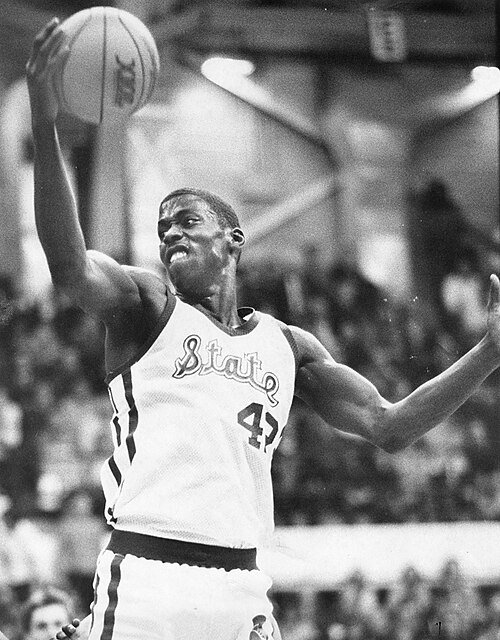
3. Kevin Willis
7’0″ tall | 6’10” wingspan | Ape index: -2.0″
Kevin Willis is an absolute modern marvel for lasting over two decades down low while working with an arm span that measured two full inches shorter than his actual height. While low-post giants are usually expected to sweep the sky for rebounds, Willis had to battle in the paint with an unexpectedly stubby frame.
To see just how compressed his dimensions were, look at a modern size peer like Rudy Gobert. Gobert stands at roughly that same seven-foot marker, yet he controls a massive 7’8.5″ wingspan—granting him nearly a full foot of extra defensive boundary coverage over Willis. The deficit looks even more wild when you contrast the big man against a scoring guard like Gilbert Arenas. Despite standing way shorter at 6’4″ and giving up eight full inches of vertical height, Arenas possessed an identical 6’10” wingspan, stripping away the center’s expected advantage to force a flat tape-measure tie.
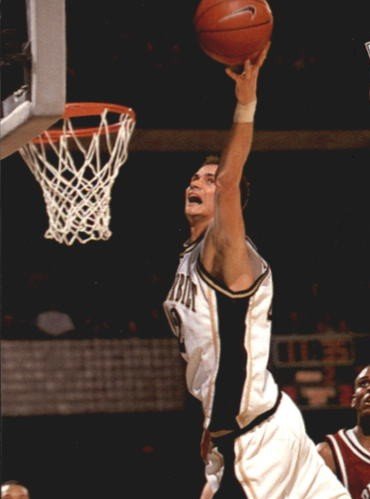
2. Dan Langhi
6’11” tall | 6’8″ wingspan | Ape index: -3.0″
Dan Langhi enters the countdown with a massive three-inch reach shortage, measuring 6’11” tall but checking onto the hardwood with a 6’8″ arm span. While frontcourt forwards are typically scouted to disrupt passing lanes and swallow up air space, Langhi navigated his professional journey with a tightly cropped wingspan that fell way short of his height.
To view that extreme difference on the floor, look at point guard Derrick Rose. Despite standing way down at 6’2″ and giving up nine full inches of height to Langhi, Rose possessed an identical 6’8″ wingspan—allowing a backcourt playmaker to match a near-seven-footer’s maximum extension exactly. The gap is highlighted further when looking at Alonzo Mourning, who stood at a roughly similar size baseline. Mourning wielded a massive 7’6.5″ wingspan, forcing Langhi to give up an incredible ten and a half inches of horizontal boundaries against a frontcourt match-up of his own size class.
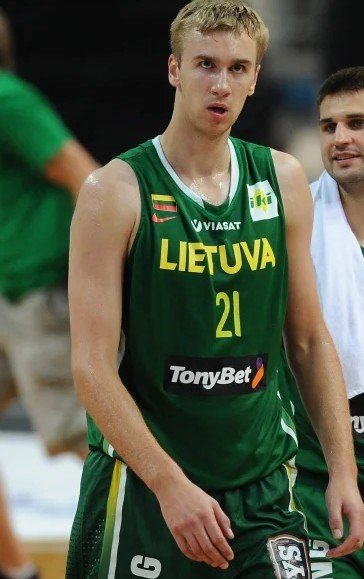
1. Martynas Andriuškevičius
7’2″ tall | 6’11” wingspan | Ape index: -3.0″
The Lithuanian center is one of the tallest human beings to ever join the T-Rex arms club, taking the court with an arm span that falls three full inches shy of his listed height. In a role where centers are typically expected to anchor the low post with towering reaches, his specific proportions left him with a noticeable physical deficit inside the paint.
To see that sudden truncation, look at shooting guard Kobe Bryant. Despite standing way shorter at 6’6″ and giving up over half a foot of size to the big man, Black Mamba possessed an identical 6’11” wingspan—allowing a perimeter icon to force a near-7’5″ draft prospect into a flat tie for total arm length. The gap looks even wilder when contrasted against dominant legend Wilt Chamberlain, who shared a roughly matching vertical frame. Wilt patrolled the lane with a staggering 7’8″ wingspan, leaving Martynas at a direct nine-inch shortfall in defensive reach under the glass.
The Near-Miss Section
Jon Scheyer: Listed at 6’5″ with a 6’3″ wingspan, Scheyer carries a clear -2.0″ ape index that would easily land him in the main group. However, because he built his entire professional career playing overseas and never officially checked into an NBA regular-season game, the current Duke head coach remains a fascinating background anomaly rather than an active member of the club.
The T-Rex Trivia Wrap-Up
That completes our look at the league’s most unique proportions. Check out the master lookup grid below to see how all thirteen of these short-armed anomalies stack up side-by-side.
The Full Club Reference Table
| Player | Height | Wingspan | Ape Index | Key Highlights |
| Martynas Andriuškevičius | 7’2″ | 6’11” | -3.0″ | Tallest European import in the club |
| Dan Langhi | 6’11” | 6’8″ | -3.0″ | 4-season NBA career, SEC scoring leader |
| Svi Mykhailiuk | 6’7″ | 6’5″ | -2.0″ | 2024 NBA Champion (Celtics) |
| Kelly Olynyk | 7’0″ | 6’10” | -2.0″ | Skilled playmaking big man |
| Kevin Willis | 7’0″ | 6’10” | -2.0″ | 21 NBA seasons, 1992 All-Star |
| Desmond Bane | 6’6″ | 6’4″ | -2.0″ | Core starter, nicknamed ‘T-Rex’ |
| Antonis Fotsis | 6’10” | 6’8.5″ | -1.5″ | 28 games in 2001-02, EuroLeague star |
| Frank Kaminsky | 7’0″ | 6’11” | -1.0″ | 2015 National Player of the Year |
| Yao Ming | 7’6″ | 7’5″ | -1.0″ | 8x All-Star, Hall of Fame (2016) |
| Mason Plumlee | 7’0″ | 6’11” | -1.0″ | Highly durable, playmaking center |
| JJ Redick | 6’3.5″ | 6’3″ | -0.5″ | Elite shooter, Lakers Head Coach |
| T.J. Ford | 6’0″ | 5’11.5″ | -0.5″ | 2003 National Player of the Year |
| Cody Zeller | 6’11” | 6’10.75″ | -0.25″ | No. 4 overall pick in 2013 draft |