Fifteen places. Five positions. Enough difficult exclusions to start an argument before the first lineup is complete
Dwyane Wade does not make a team. Neither does Wilt Chamberlain.
That is the problem with choosing three all-time NBA lineups. Putting Michael Jordan at shooting guard is the easy part. Deciding who joins him—and explaining why a championship-defining player misses all three teams—is where the list becomes interesting.
We have selected one player at each traditional position for an all-time First, Second and Third Team. These are rankings of NBA careers: the highest level a player reached, how long he maintained elite value, and how that contribution held up in the playoffs. A great peak needs enough career around it; a long career needs more than accumulation.
The First Team gets our top player at each position. The Second Team gets the runner-up. The Third Team gets the final selection.
Nobody shares a place. Nobody appears twice. And the toughest decisions deserve more than a trophy count.
How We Made the Choices
NBA careers through the conclusion of the 2025–26 season and Finals. College, international and ABA achievements can help explain a player’s story, but do not count toward selection. The 2026–27 season is excluded. Active players receive credit only for achievements completed by the cutoff.
Peak and career both matter. A spectacular best season does not automatically defeat a decade of excellence. Equally, longevity alone does not settle a comparison against a significantly higher peak. There is no fixed percentage formula: the same criteria apply throughout, and the close calls explain which advantage outweighs which limitation.
Postseason performance needs context. We consider how players performed, what they were asked to do, their teammates and their opponents. Championships provide evidence; they are not individual statistics.
Era matters. Pace, rules, league structure and available awards changed. We assess dominance against contemporaries, then consider how rules and team circumstances shaped it. Faster pace can inflate totals; fewer teams change playoff paths; awards introduced later cannot be counted against earlier players. These are contextual judgments, not a numerical conversion between eras.
One established position per player. Magic Johnson stays at point guard, Jerry West at shooting guard, LeBron James at small forward and Tim Duncan at power forward. Each played roles beyond those labels, but positional versatility does not earn a second entry.
These are positional rankings, not a lineup-building contest. We will not move a greater player down to create better spacing or accommodate someone else’s preferred role.
These are our judgments under those criteria. The explanations are part of the ranking.
All Three Teams at a Glance
| Position | First Team | Second Team | Third Team |
| Point guard | Magic Johnson | Stephen Curry | Oscar Robertson |
| Shooting guard | Michael Jordan | Kobe Bryant | Jerry West |
| Small forward | LeBron James | Larry Bird | Kevin Durant |
| Power forward | Tim Duncan | Kevin Garnett | Karl Malone |
| Center | Kareem Abdul-Jabbar | Bill Russell | Shaquille O’Neal |
Point Guard: Magic, Curry and the Final Spot
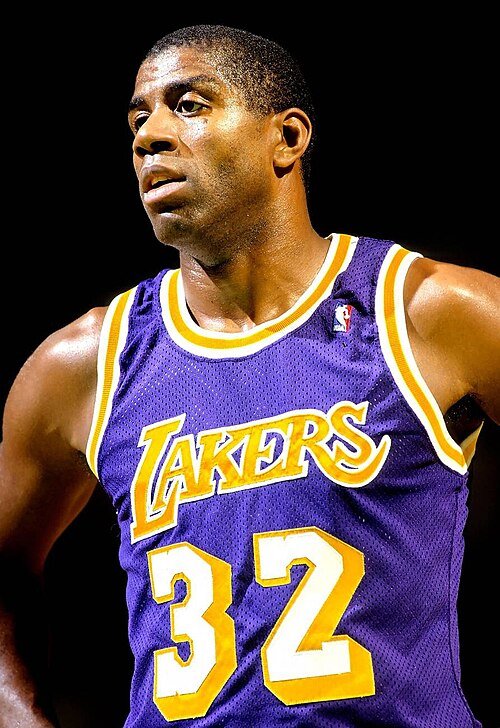
First Team: Magic Johnson
Magic could turn a rebound into a scoring chance before the defense finished turning around. His passing was spectacular because the openings were spectacular—and because he often saw them before anyone else.
At his peak, the Lakers could build their offense around his decisions in transition, his work in the post and his ability to deliver the ball where a teammate could immediately use it. His size expanded the ways a point guard could control a game.
Why he takes First Team: We give Magic the edge in sustained command of elite offenses and postseason creation. His 2,346 playoff assists make the scale of that orchestration concrete. Three MVPs and three Finals MVPs support the case, but the basketball comes first: Magic repeatedly organized attacks capable of winning at the highest level.
The strongest objection: Stephen Curry creates opportunities without even touching the ball. If your definition of offensive leadership includes every defensive distortion a player causes, Curry can take this place.
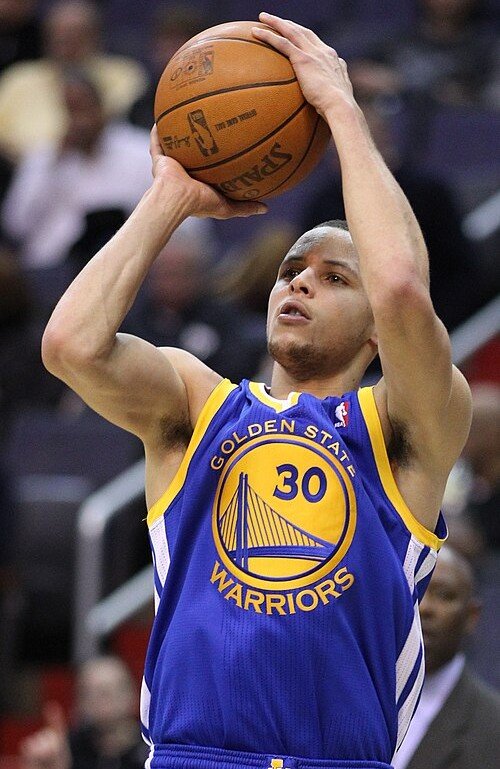
Second Team: Stephen Curry
A defender follows Curry around a screen. A second defender steps toward him. Somewhere else, a teammate suddenly has room.
That is why his case cannot be reduced to a three-point percentage or an assist total. Curry stretches the defense while dribbling, passing, screening or moving without the ball. He can carry a scoring load and still make space for another star.
Playmaking against shooting pressure: Curry’s 2015–16 peak included 402 three-pointers at 45.4%, alongside a league-leading 30.1 points per game. That does not directly measure his off-ball influence, but it explains why defenses could not treat his movement casually. Magic retains First Team for his sustained command of championship-level playoff offenses; Curry’s different way of creating offense makes this a close call.
Why he stays above Oscar Robertson: Curry’s combination of peak scoring efficiency, movement and championship-level offensive influence earns our preference. His movement shooting creates a threat away from the ball that can complement another creator, while that 2016 season demonstrates how much scoring he could carry himself. Oscar’s all-around production keeps the comparison serious; Curry’s exceptional shooting peak and playoff offensive influence decide it.
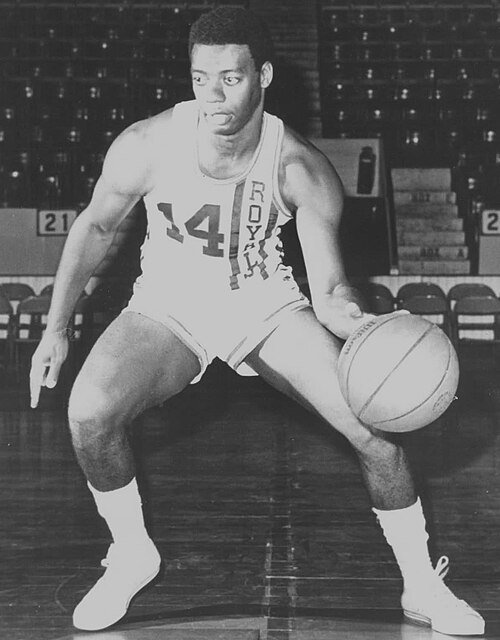
Third Team: Oscar Robertson
Robertson averaged 30.8 points, 12.5 rebounds and 11.4 assists in 1961–62. That famous triple-double season can overshadow the broader case. He was an elite scorer who also carried substantial playmaking responsibility, sustaining that combination across a long prime.
Nine consecutive All-NBA First Team selections help establish his standing among contemporaries. They matter because they reflect sustained excellence, not because an award automatically settles an argument between eras.
Why he takes the final place: We favor his combination of scoring pressure and creation over the longer careers or narrower advantages of the closest challengers.
Why Isiah Thomas misses: Thomas’s championship leadership and best postseason performances make him the most emotionally compelling exclusion. We prefer Robertson’s sustained individual offensive level. Detroit’s titles do not automatically outweigh that difference.
Other serious challengers: Chris Paul’s two-way control and efficiency, Steve Nash’s offensive orchestration and John Stockton’s exceptional durability each offer a different route into Third Team. Robertson is the choice, not an uncontested answer.
Shooting Guard: The Wade Problem
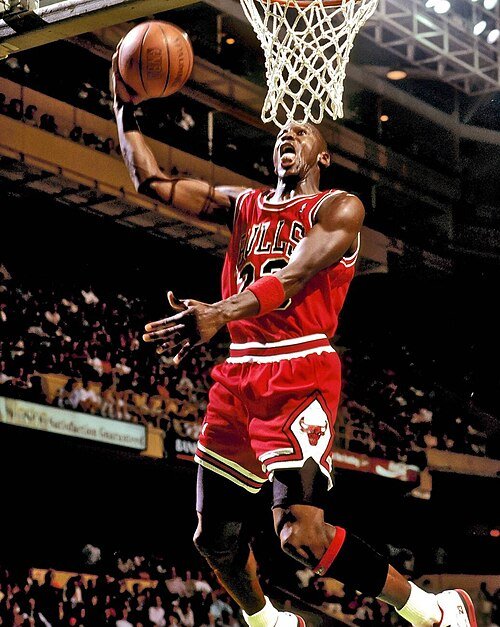
First Team: Michael Jordan
Jordan could turn a possession into a personal challenge without making the offense depend entirely on difficult jump shots. He attacked the basket, punished mistakes, moved without the ball and developed an extraordinary scoring game from the post and midrange.
His defensive contribution belongs in the same conversation. The appeal is the combined package: a dominant scorer who could also disrupt the player and action in front of him.
Why he takes First Team: Jordan’s higher peak and repeated postseason dominance outweigh Kobe Bryant’s longer career. His championships reinforce that judgment, but a perfect Finals-series record does not prove that every earlier playoff exit counts for less.
Jordan’s 33.4 career playoff points per game, against Kobe’s 25.6, give that preference a concrete foundation. Scoring averages are not complete impact measures, but this gap supports the case for Jordan’s postseason scoring level.
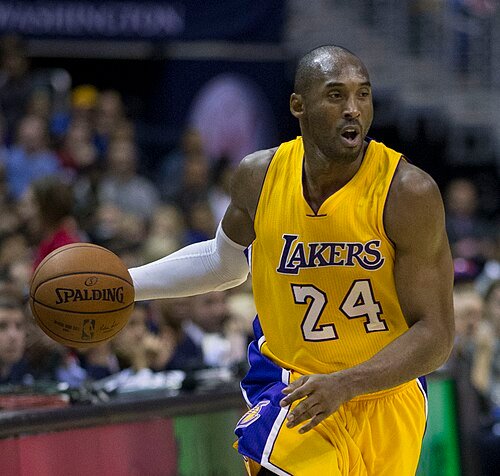
Second Team: Kobe Bryant
Kobe could turn a broken possession into a makeable shot. His footwork, balance and enormous scoring repertoire gave him answers when the first option disappeared.
The difficult-shot reputation sometimes obscures the length of his elite career. His case includes sustained scoring responsibility, playmaking and championship-leading seasons after his partnership with Shaquille O’Neal ended.
Why he finishes behind Jordan: Jordan has the stronger combination of scoring efficiency and peak impact. Kobe’s longevity narrows the gap without reversing it.
The edge over West: Kobe’s 11 All-NBA First Team selections and two Finals MVPs capture the combination of a long elite prime and championship-leading seasons that earns Second Team. West’s passing and defensive arguments are substantial, so this should not read as a ceremonial runner-up followed by a distant third.
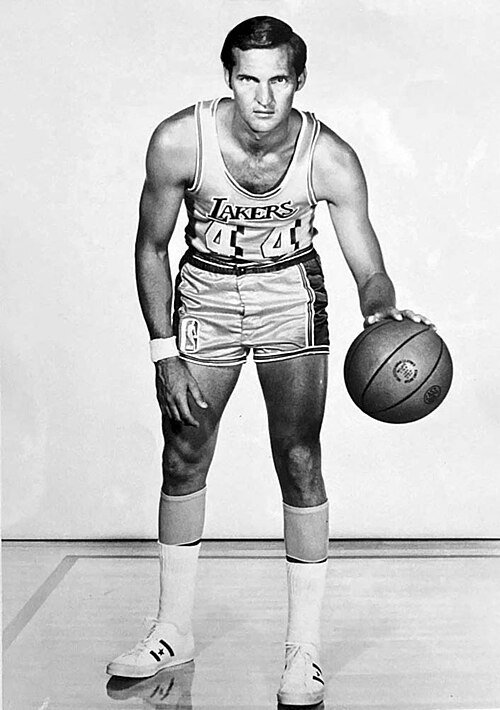
Third Team: Jerry West
West gives this position a player whose creation responsibilities extended well beyond the modern image of a shooting guard. He could score, initiate offense and defend at a high level.
His ten All-NBA First Team selections reflect a long stretch near the top of the game. All-Defensive teams arrived late in his career, yet he still earned four First Team selections. That supplies evidence of defensive standing rather than asking readers to accept a historical exemption.
Why he takes Third Team over Dwyane Wade: We favor West’s sustained all-around excellence over a longer portion of his career. That is the deciding margin.
Wade’s counterargument is powerful. His ability to reach the basket, create for teammates and contribute defensively produced an exceptional peak. His 2006 Finals average of 34.7 points makes the objection concrete: Wade could drive an offense through a championship series at an extraordinary level. West’s ten All-NBA First Team selections supply the stronger long-prime argument; Wade’s 2006 title-winning peak keeps the final place contested.
Why James Harden misses: His scoring and passing make him a serious contender, not an automatic exclusion because he lacks a title. We favor West’s more balanced two-way case and postseason record. Harden’s strongest argument is how much offense he could generate while carrying an enormous creation load.
Wade is the closest omission here. He deserves a comparison, not a footnote.
Small Forward: LeBron Leads, Bird and Durant Divide the Room
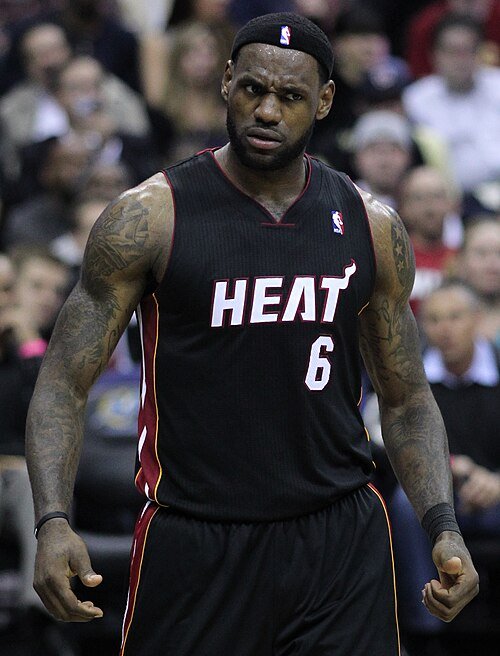
First Team: LeBron James
LeBron could be the scorer a defense built its entire plan around and the passer who dismantled that plan.
His combination of downhill pressure, vision and adaptability gave teams several ways to construct an offense around him. Across different stages of his career, he also provided substantial defensive value, from perimeter assignments to help around the rim.
Why he takes First Team: His peak belongs in the strongest historical company, and his longevity extends that impact across an extraordinary career. Larry Bird and Kevin Durant have individual advantages, but neither supplies the same overall career package.
In the 2016 Finals, LeBron led both teams in total points, rebounds, assists, steals and blocks. That series supplies a concrete picture of the breadth described here. Combined with his much longer career, it makes this our clearest forward selection.
Our ranking of every LeBron James season from worst to best examines how those individual peaks compare across his career.
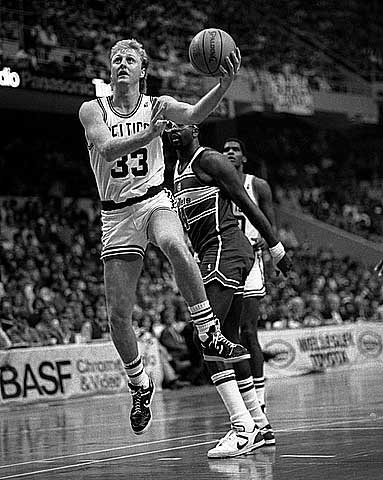
Second Team: Larry Bird
Bird could improve a possession with a shot, a cut, a rebound or a pass that moved the defense before the next player touched the ball.
His shooting was central, but his claim over Durant rests on more than shooting. Bird could organize an offense, exploit a mismatch and create a chance without needing to finish the possession himself.
Why he finishes behind LeBron: LeBron’s longer stretch of elite performance and greater ability to force the defense to collapse around his drives provide the career edge.
Passing and rebounding decide Second Team: Bird averaged 24.0 points, 9.7 rebounds and 9.5 assists in the 1986 Finals. That series illustrates the breadth of the case: elite scoring alongside near-double-digit rebounding and creation. Durant’s scoring peak is formidable, but Bird gets the edge for the number of ways he could drive an offense at once.
The strongest objection: Durant sustained elite scoring for longer. If you give longevity or individual shot creation more weight, he can take Second Team. Bird’s place requires defending that tradeoff.
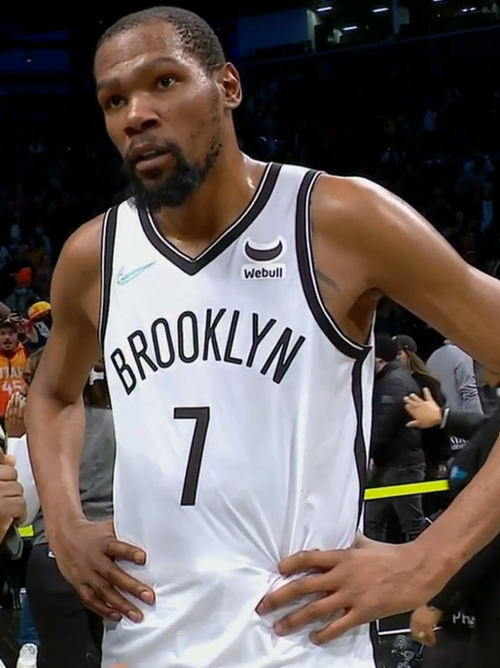
Third Team: Kevin Durant
Durant can make a sound defensive possession end with a made jumper. His size, touch and scoring range reduce the comfort a defender normally gets from forcing a difficult attempt.
That scoring excellence lasted far beyond a short peak. It also remained useful beside other creators, which matters when assessing how an individual star can contribute to different offensive structures.
Why he takes Third Team: His sustained NBA scoring career and postseason production earn the place. In the 2017 Finals, Durant averaged 35.2 points. Golden State’s extraordinary supporting talent belongs in the interpretation, but his execution within that setting still counts.
The shooting and ball-handling behind that scoring receive a closer examination in the most skilled seven-footers in NBA history, which assesses offensive technique rather than overall career greatness.
Why Julius Erving misses: Our NBA-only boundary matters. Erving’s ABA achievements would substantially strengthen his full professional basketball case. Within this article’s NBA scope, we favor Durant’s longer elite scoring prime.
Other strong omissions: Elgin Baylor offers a substantial combination of peak scoring and rebounding. Kawhi Leonard brings a formidable two-way postseason peak, but a smaller sustained career body of work. Neither should be dismissed merely because Durant is the more familiar modern name.
Power Forward: Duncan Leads, Third Team Gets Uncomfortable
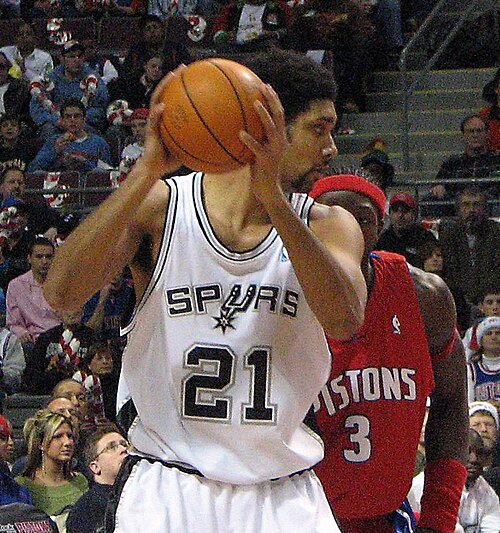
First Team: Tim Duncan
Duncan gave a team something it could return to: a defensive foundation, a reliable interior presence and an offensive option that did not demand the entire game revolve around him.
His impact was often cumulative. A rotation closed the lane. A screen created an angle. A patient post possession settled a stretch that had become frantic.
Why he takes First Team: His combination of defensive anchoring, postseason offense and longevity is the strongest at this position. In the 2003 Finals, he averaged 24.2 points, 17.0 rebounds, 5.3 assists and 5.3 blocks—a concrete example of carrying several championship responsibilities at once.
Duncan belongs here through his established historical identity as a power forward, not a claim that he spent every season there. He played extensive center minutes, particularly later in his career. A classification based strictly on positional minutes could change the center field; this article consistently uses established historical identity.

Second Team: Kevin Garnett
Garnett expanded how much defensive territory a big man could cover. He could step toward a ball-handler, recover, communicate a rotation and still influence what happened around the basket.
His offense also extended beyond scoring. Passing from the high post and connecting teammates gave him value in possessions that did not end with his shot.
Why he finishes behind Duncan: We prefer Duncan’s postseason scoring reliability alongside his interior defense. Garnett’s mobility and passing make the gap narrower than championship totals suggest.
Defense tips the Malone comparison: Garnett’s 2004 MVP and 2008 Defensive Player of the Year award illustrate a prime with both offensive responsibility and defensive anchoring. Malone has the stronger sustained scoring case; Garnett gets Second Team because his defensive range and passing add more ways to shape the game when he is not finishing possessions. Dirk presents a different tradeoff below: his spacing and signature playoff run against Malone’s longer run of elite production.
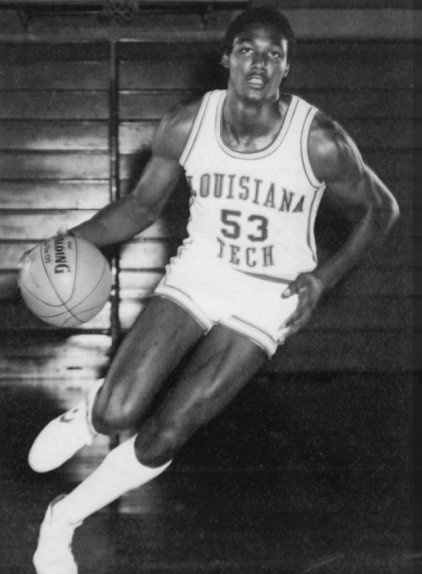
Third Team: Karl Malone
Malone’s case is built across seasons. His 11 consecutive All-NBA First Team selections from 1989 through 1999 describe a decade-plus in which he remained at the top of his position. The streak establishes standing among his contemporaries; it does not imply that award competition was identical across eras.
That durability is not a decorative addition to his résumé. Maintaining a high standard over a long prime creates substantial career value, which is why he holds our final place.
The longevity case against Dirk: Dirk’s shooting changed defensive spacing, and his 2011 championship run gives him the stronger signature postseason achievement. Malone wins this place on the longer run of top-level regular-season production represented by that First Team streak. The limitation is important: Malone did not match Dirk’s title-leading payoff. This choice values a decade-plus of elite contribution enough to outweigh that postseason deficit.
The peak case for Giannis: Giannis has the higher two-way peak in this comparison. His 35.2 points and 13.2 rebounds per game in the 2021 Finals give his championship argument substance. Malone retains the place for the longer completed span of elite production. Giannis’s career is still being written; this ranking counts only what is complete. Readers who put the highest championship-level peak first should choose Giannis instead.
Also in the serious discussion: Charles Barkley, whose scoring efficiency, rebounding and offensive creation give him an argument beyond conventional power-forward expectations.
Malone takes the place. Dirk’s postseason payoff and Giannis’s higher peak are the reasons it remains uncomfortable.
Center: Three Places for an Impossible Field
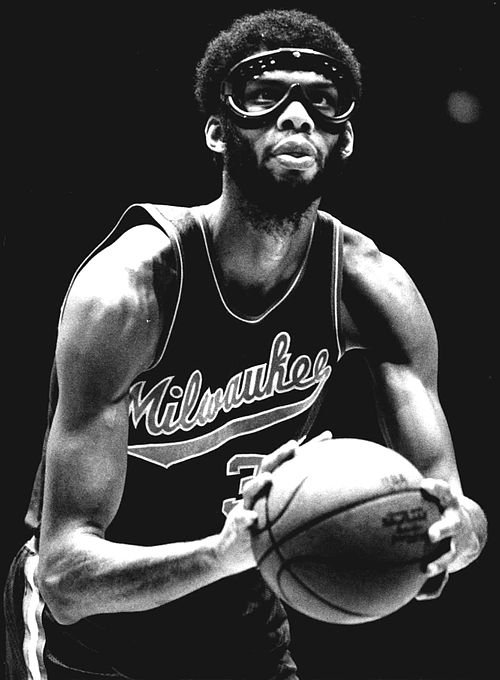
First Team: Kareem Abdul-Jabbar
The skyhook is the signature. The career behind it is the case.
Kareem combined a dependable scoring weapon with defensive value and remarkable longevity. His six MVPs reflect the extent of his prime; his later contributions show how far his usefulness extended beyond it.
Why he takes First Team: He offers our strongest balance of peak, sustained excellence and career length at center.
Bill Russell has the stronger defensive-impact argument. Shaq has a compelling offensive-peak argument. Kareem wins the combined assessment.
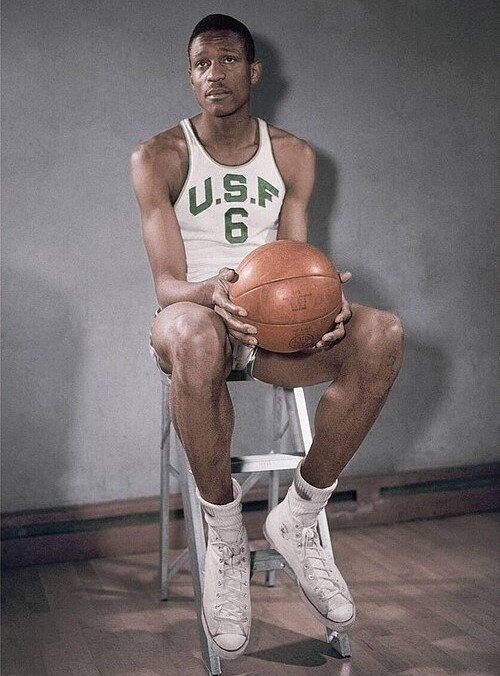
Second Team: Bill Russell
Russell’s contribution is harder to reconstruct from a scoring column than that of almost anyone else here.
His case rests on defense, rebounding, decisions and how those strengths supported the teams around him. His offensive role was different from Kareem’s or Shaq’s, but evaluating him requires taking that role seriously.
Why he finishes behind Kareem: Kareem’s much broader scoring contribution, defensive value and longevity supply the stronger combined career case.
Why he stays above Shaq: Russell’s sustained role as the defensive foundation of Boston’s dynasty outweighs Shaq’s scoring advantage in this ranking. His rebounding, rim protection and decisions shaped how the team could defend together. Eleven championships support the longevity of that contribution, with Boston’s teammates, coaching and league circumstances essential to the interpretation. The choice values a defense-led career as seriously as an offense-led one.
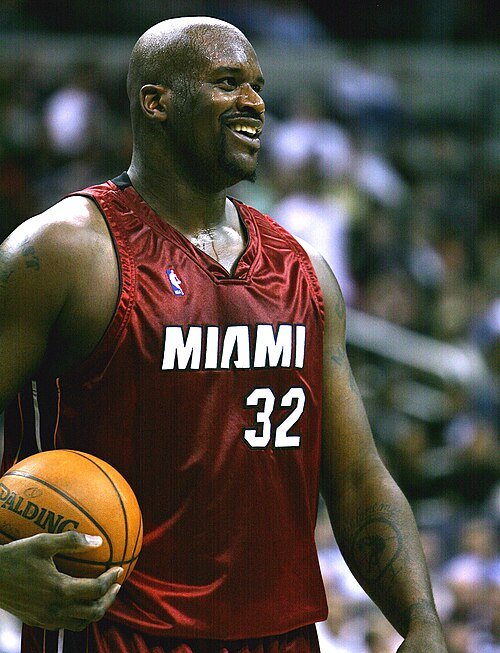
Third Team: Shaquille O’Neal
Shaq could make a defense change its personnel before the game began.
His interior scoring demanded size, help and difficult choices. Sending another defender toward him created opportunities elsewhere; leaving one defender alone could be worse.
The postseason peak that earns Third Team: Shaq averaged 38.0 points and 16.7 rebounds in the 2000 Finals. He followed that championship with two more consecutive Finals MVPs. That run captures his strongest argument: he could carry the interior scoring load while drawing help that opened opportunities for teammates, and opponents had to solve that problem across three consecutive championship postseasons. His long elite career gives the peak the career substance required by this ranking.
The Wilt objection: Wilt’s four MVPs, scoring records and rebounding dominance supply the strongest regular-season challenge. His championship teams also benefited from his passing and defense after he reduced his scoring load. Those contributions make a simple scoring-average comparison inadequate.
Shaq gets Third Team for the repeated offensive apex of his Lakers championship years, exemplified by that 2000 Finals. Both players supplied substantial elite careers, so longevity alone does not separate them. This choice sacrifices Wilt’s broader statistical dominance for Shaq’s particular combination of interior scoring pressure and repeated title-leading execution. It remains the most contestable center selection.
The Hakeem objection: Shaq takes the place for his Lakers championship peak, despite Hakeem’s stronger defensive case and higher career playoff scoring average: 25.9 points to Shaq’s 24.3. Houston’s 1995 Finals sweep, with Hakeem taking Finals MVP, strengthens the objection. The case for Shaq is his later three-year run as the central scoring force of a championship offense, supported by a long elite career. Readers who give more weight to two-way playoff excellence have a compelling reason to choose Hakeem instead.
The Jokić objection: Jokić averaged 27.7 points, 12.9 rebounds and 10.7 assists in 2025–26. His passing creates a different center-led offense from Shaq’s, and the case for preferring it is substantial. Shaq retains Third Team for the longer established elite career and repeated championship-leading peak. Further elite seasons could change that balance, though no future seasons are projected into this ranking.
Another strong contender: Moses Malone, whose rebounding, scoring and sustained elite production belong in any serious discussion.
At center, missing Third Team can still mean being one of the greatest players ever.
Which Decision Would You Reverse?
The most revealing disagreement may be about someone who made a team.
You can accept all three point guards and still put Curry above Magic. You can agree that Bird belongs while moving Durant into Second Team. You can keep every other selection and replace Malone with Dirk or Giannis.
Those are different arguments, and each deserves its own reasoning.
Our selections balance peak with the career built around it. That balance produces Magic over Curry, Bird over Durant and Malone over his closest challengers. Change the weight of one criterion, and some places change.
Tell us who moves, who loses the place and what decides it.
Sources and Method
Career and award records draw on NBA historical profiles, season reviews and official statistics, with selective links beside the comparisons they support. Selections assess NBA careers through the 2025–26 Finals and remain editorial judgments rather than outputs of a numerical ranking model.