From Spud Webb and Nate Robinson to Ja Morant, these short NBA players used exceptional jumping ability, timing, and athleticism to become legitimate threats above the rim
Basketball has always favored the tall. The rim sits ten feet high, and the average NBA player today is around 6’7”. Every season, athletes get bigger, stronger, and faster, making it harder for smaller players to make their mark.
Yet some players 6’3” and under didn’t just survive; they soared. They turned their size disadvantage into a spectacle, attacking the rim, rising over taller defenders, and proving that dominating the paint isn’t solely a matter of height.
This isn’t a list of the highest verticals or the flashiest dunks. It’s about players who played above their height, using their explosiveness, timing, and skill to make an impact in ways that fans still remember today.
Some relied on pure vertical explosiveness.
Some relied on speed, agility, and lightning-quick first steps.
Some relied on craft, timing, and sheer courage to finish over defenders.
In the NBA, being “short” is relative:
6’3” and under counts as short.
6’0” and under is extremely rare.
Under 5’9” is almost unheard of.
Players in this group faced a steep uphill battle. Less than a fraction of a percent of athletes under six feet ever make the league, and staying there is even harder.
The players in this list didn’t need to be the tallest or the strongest. They soared over what stood in their way, literally and figuratively. Some jumped higher than expected. Some relied more on speed, timing, or craft. But all of them showed how a smaller player could make his physical limitations matter less on the court.
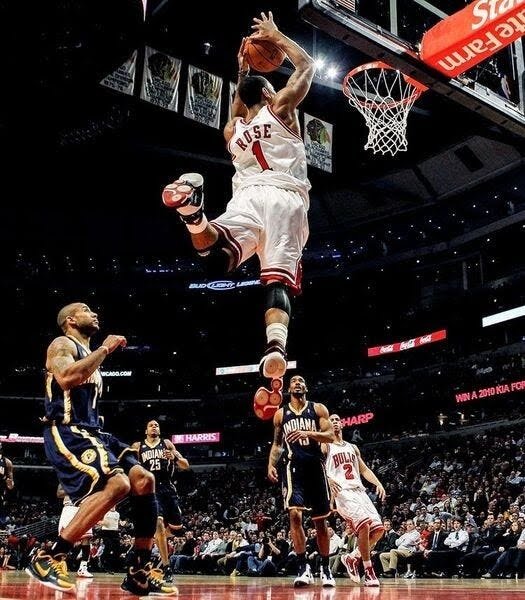
30. Derrick Rose (6’3”)
Derrick Rose came into the league with speed, agility, and a fearless approach to attacking the basket. At 6’3”, he wasn’t particularly short, but his explosiveness allowed him to play well above his height, especially in transition and around the rim.
- Max vertical: estimated 41 to 43 inches
- Signature moves: one-foot takeoffs on drives, acrobatic finishes through traffic, and sudden bursts in fast breaks
- Analysis: Rose’s greatest weapon was his ability to convert momentum into vertical lift instantly. Even when measured vertical seemed modest compared to other elite leapers, his speed off the ground and timing allowed him to soar over defenders
In-game, Rose could change a play in a single motion. He consistently finished over taller opponents, whether it was a layup through contact or an alley-oop in transition. His explosiveness, combined with agility and precision, made him one of the most electrifying guards of his era, capable of turning every fast break into a highlight.

29. Steve Francis (6’3”)
Steve Francis was one of the most explosive guards of the early 2000s, and somehow he does not get mentioned enough in these conversations. At 6’3”, he was compact, powerful, and spring loaded, built more like a running back than a traditional point guard.
• Max vertical: estimated around 42 to 44 inches
• Signature moves: two foot power takeoffs, tomahawk dunks in traffic, aggressive finishes through contact
• Analysis: Francis generated lift through raw force and leg strength rather than finesse. His explosion was sudden and violent, especially off two feet
What made Steve Francis special was how easily his athleticism translated in games. These were not empty gym jumps. He dunked in traffic. He rose through defenders. He finished plays that most guards his size would never attempt.
Francis was also fearless. He attacked the rim with the mindset of a bigger wing, not a small guard picking his spots. That confidence mattered. Defenders backed up, not because he was tall, but because they knew he could jump into their chest and still finish.
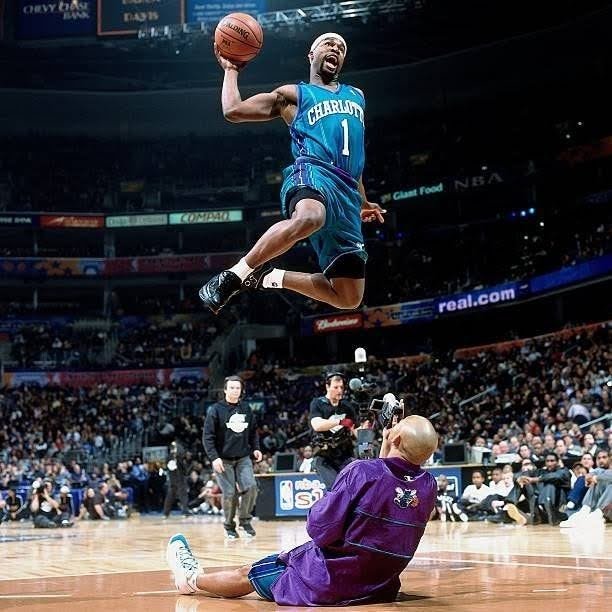
28. Baron Davis (6’3”)
Baron Davis was built like a linebacker playing point guard. At 6’3”, he sat right on the edge of what counts as “short” in the NBA, but he played much bigger than his measurements suggested. His explosiveness was real, violent, and game changing, especially in big moments.
• Max vertical: estimated around 40 to 42 inches
• Signature moves: two hand power dunks in traffic, straight line drives, surprise takeoffs off one or two feet
• Analysis: Davis combined lower body explosion with unusual upper body strength, which allowed him to absorb contact and still rise cleanly at the rim
What separated Baron Davis from many guards his size was how little space he needed to explode. He did not need a runway. One hard dribble was often enough. Defenders would expect a pull up or a kick out, and instead Davis would load, rise, and finish through bodies.
His dunk on Andrei Kirilenko in the 2007 playoffs is still one of the most replayed guard dunks ever, not because of pure vertical height, but because of force, timing, and confidence. That play summed up his career. A guard who did not just get to the rim, but arrived angry.

27. Russell Westbrook (6’3”)
Russell Westbrook may not be considered short by NBA standards, but at 6’3” he often faces taller wings and forwards when driving to the rim. What makes him fit this list is how he consistently plays above his height through sheer explosiveness, speed, and power.
- Max vertical: estimated 40 to 42 inches
- Signature moves: aggressive drives, high-flying finishes, and quick first-step bursts
- Analysis: Westbrook’s explosiveness comes from rapid acceleration and powerful leg drive. Even if his measured vertical isn’t the highest in the league, his ability to combine horizontal momentum with vertical lift makes him seem to soar over defenders
In games, Westbrook is a constant threat near the basket. His combination of speed, timing, and athleticism allows him to finish in traffic, grab rebounds over taller opponents, and convert fast breaks into easy points. The gap between Westbrook’s testing numbers and his impact on the court is one reason to question how the NBA measures vertical jump.
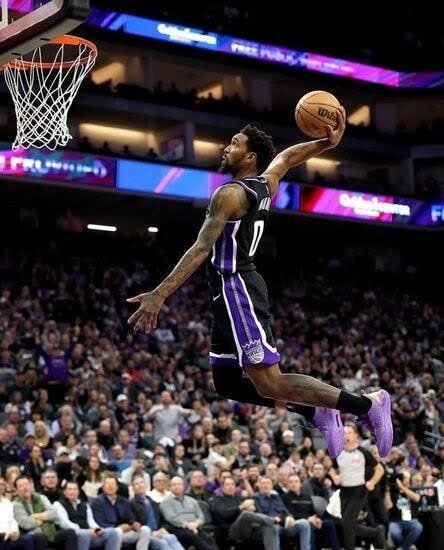
26. Malik Monk (6’3”)
Malik Monk is a guard who can surprise defenders with his explosiveness despite standing just 6’3”. He’s not the tallest player on the floor, but his quickness, lift, and body control let him finish over bigger opponents and create highlight plays.
• Max vertical: estimated around 39–41 inches
• Signature moves: one-foot takeoffs in transition, acrobatic finishes, sudden bursts toward the rim
• Analysis: Monk’s explosiveness isn’t about constant rim-shaking dunks. Instead, it’s his combination of speed, timing, and agility that allows him to elevate in traffic and finish plays defenders don’t expect
On the court, Monk thrives in fast breaks and in open space, where his vertical and quick lift turn simple drives into eye-catching finishes. He uses body control and timing to navigate defenders and can rise above wings or forwards when necessary.
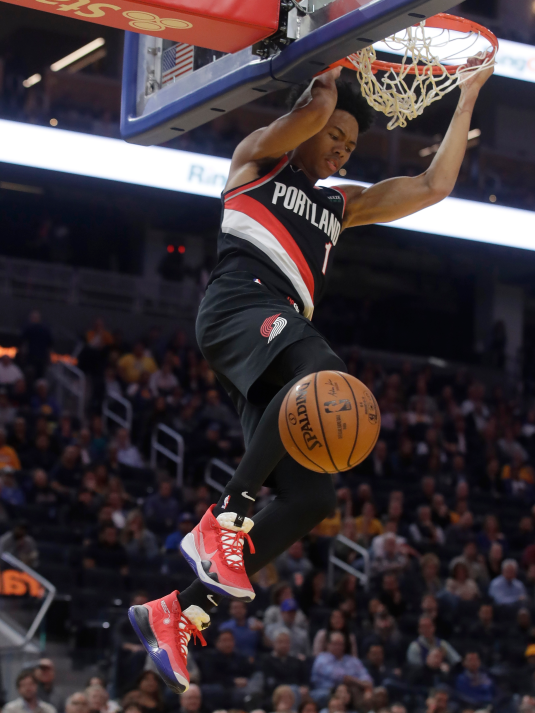
25. Anfernee Simons (6’3”)
Anfernee Simons sits right at the 6’3” mark, but his explosiveness allows him to consistently play above his height. Known for his highlight dunks and smooth leaping ability, Simons uses timing, speed, and vertical lift to finish over taller defenders.
• Max vertical: estimated around 41–43 inches
• Signature moves: in-transition dunks, one-foot takeoffs, acrobatic finishes over wings and forwards
• Analysis: Simons’ athleticism comes from rapid acceleration and precise takeoff timing. He doesn’t rely solely on raw vertical; his body control and hang time let him create separation above the rim
In games, Simons is a threat in transition and off-ball cuts. He can elevate over defenders in traffic and turn short drives into highlight dunks.
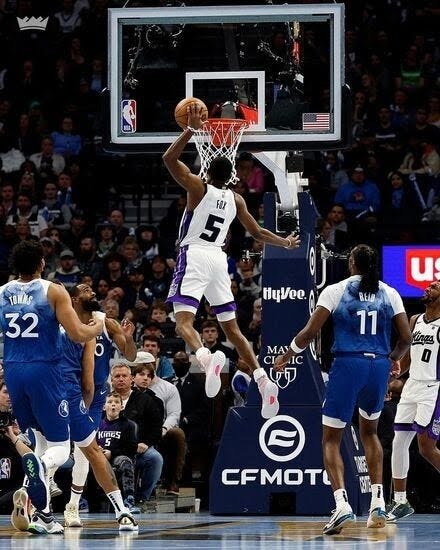
24. De’Aaron Fox (6’3”)
De’Aaron Fox is one of the fastest and most explosive guards in the modern NBA. At 6’3”, he isn’t towering over anyone on the court, but his speed and vertical explosiveness allow him to consistently play above his height, especially when attacking the rim.
• Max vertical: estimated around 41–43 inches
• Signature moves: lightning-quick first-step drives, one-foot takeoffs in traffic, acrobatic finishes through taller defenders
• Analysis: Fox’s explosiveness comes as much from his acceleration and timing as from raw vertical. He leaves defenders flat-footed, turning ordinary drives into spectacular finishes
In-game, Fox is a blur in transition. He can rise over bigger wings and forwards, converting quick bursts into points. While he may not attempt dunks on every play, when he does, he often catches defenders off guard, finishing in ways that make his size almost irrelevant.
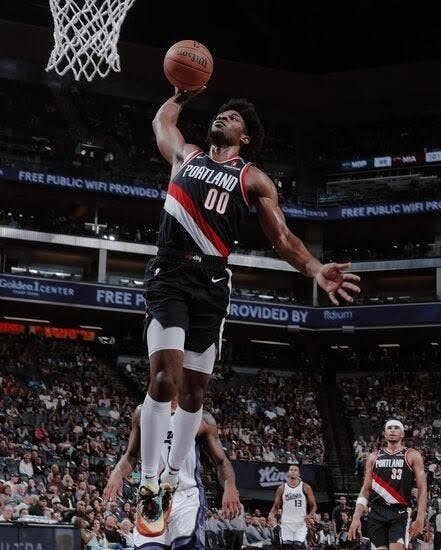
23. Scoot Henderson (6’2.5”)
Scoot Henderson is one of the newest explosive guards to enter the NBA. At 6’2.5”, he sits right in the range for short-to-average NBA guards, but his vertical and speed allow him to consistently play above his height, especially in transition.
• Max vertical: estimated around 42–44 inches
• Signature moves: aggressive fast break dunks, one- and two-foot takeoffs, finishing over taller defenders
• Analysis: Henderson’s explosiveness comes from a combination of quick first-step acceleration and high-rate-of-force takeoff. He can leave the ground almost instantly, which makes him a threat in open court and even in traffic
On the court, Henderson’s athleticism allows him to get above bigger wings and forwards, turning fast breaks into highlight-reel dunks and finishing tough drives that most guards his size would shy away from. His timing and hang allow him to appear even higher than his raw vertical numbers suggest.
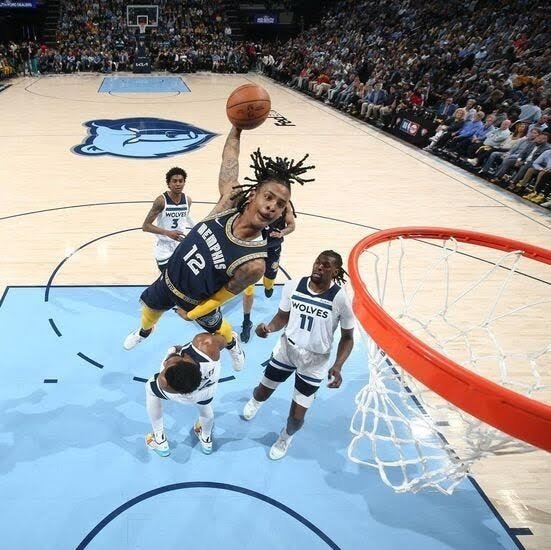
22. Ja Morant (6’2”)
Ja Morant isn’t short by strict NBA standards, but at 6’2” he’s often considered undersized for a guard who routinely attacks the rim. What sets Morant apart is not just how high he jumps, but how quickly he gets off the ground. His explosiveness makes him a nightmare for defenders, allowing him to finish over bigger opponents with ease.
- Max vertical: estimated 44 to 46 inches
- Signature moves: lightning-fast first steps, alley-oop finishes, and acrobatic in-game dunks
- Analysis: Morant’s takeoff speed is elite. He converts horizontal momentum into vertical lift so efficiently that he often looks like he jumps higher than measured numbers suggest
Morant’s explosiveness isn’t just for show. In games, he consistently turns transition plays into scoring opportunities, jumps into passing lanes for steals, and finishes over defenders who tower above him. His combination of speed, power, and timing makes him one of the most dynamic aerial threats the NBA has seen in recent years.
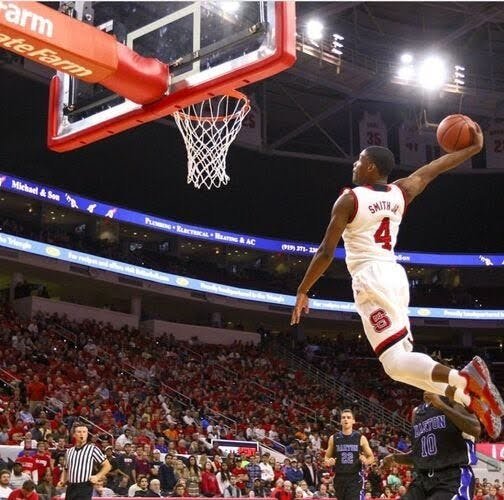
21. Dennis Smith Jr. (6’2”)
Dennis Smith Jr. is a guard known for his highlight-reel athleticism. At 6’2”, he isn’t tiny by NBA standards, but he consistently uses his explosiveness to finish over taller defenders and turn fast breaks into showcase plays.
• Max vertical: estimated around 41–43 inches
• Signature moves: acrobatic drives, one- and two-foot takeoffs, alley-oops, and traffic finishes
• Analysis: Smith’s explosiveness comes from his combination of speed, timing, and leg power. He doesn’t just jump high — he times his elevation to maximize impact, often turning tight windows into dunks over bigger opponents
In games, Smith Jr. could change momentum in a single play. Whether in transition or attacking the paint off the dribble, he frequently soared above wings and forwards, creating electrifying finishes and highlight-reel moments.
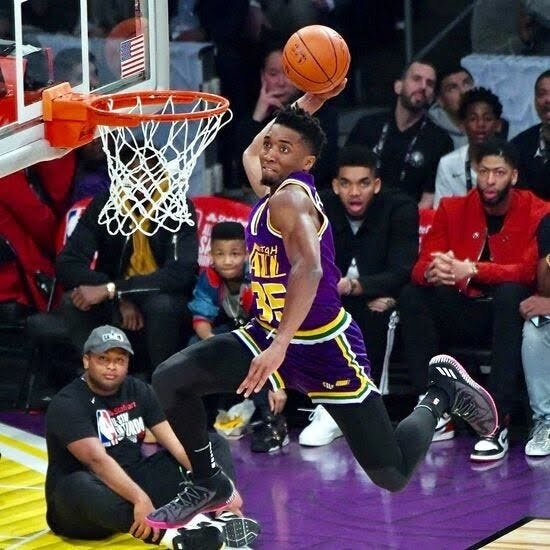
20. Donovan Mitchell (6’2”)
Donovan Mitchell is a modern guard who routinely plays above his height. At 6’2”, he isn’t small by everyday standards, but in the NBA, he often goes up against defenders several inches taller and still finds ways to finish above the rim.
• Max vertical: estimated around 42–44 inches
• Signature moves: high-flying transition dunks, acrobatic finishes in traffic, quick first-step drives to the rim
• Analysis: Mitchell combines explosiveness with agility. He doesn’t just jump high, he times his elevation perfectly, often catching defenders off balance and finishing plays that seem impossible given his size
Mitchell’s explosiveness lets him rise above wings and smaller forwards in transition and finish through contact in the half-court.
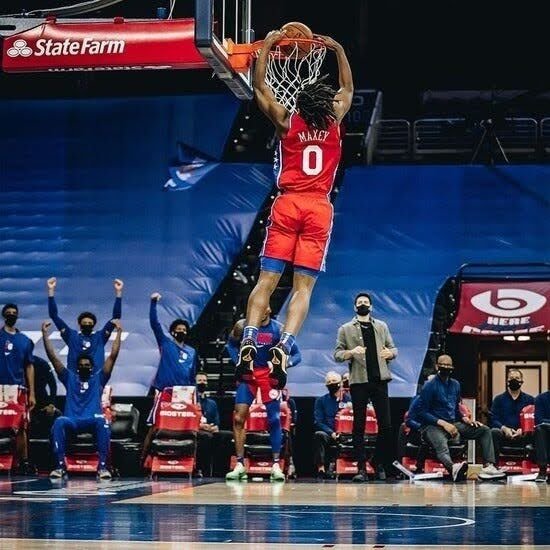
19. Tyrese Maxey (6’2”)
Tyrese Maxey is one of the rising stars of the NBA who uses explosiveness to play above his height. At 6’2”, he doesn’t have the natural length of a wing, but his speed and vertical ability allow him to finish over defenders and attack the rim aggressively.
• Max vertical: estimated around 40–42 inches
• Signature moves: quick first-step drives, one-foot takeoffs in traffic, acrobatic finishes through bigger defenders
• Analysis: Maxey’s athleticism is built on a combination of acceleration and timing. He doesn’t need to rely solely on raw vertical; his ability to explode quickly off the ground allows him to elevate over taller opponents
In-game, Maxey is particularly dangerous in transition. He can get above defenders in open court and in pick-and-roll situations, turning short drives into highlight dunks. His agility and body control also let him adjust mid-air to avoid contact or finish over bigger defenders.
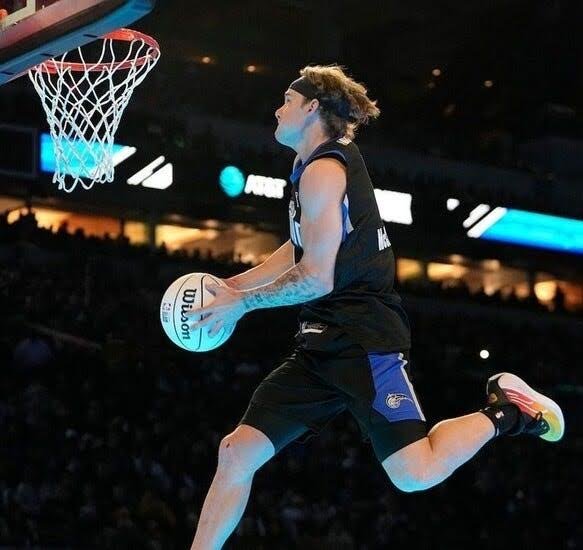
18. Mac McClung (6’2”)
Mac McClung is one of the newer names known for his highlight-reel dunks and explosiveness despite being 6’2”. While not a long-term NBA star yet, his ability to elevate and finish over bigger defenders makes him a modern example of a “jump-over-defenders” guard.
• Max vertical: estimated around 40–42 inches
• Signature moves: high-flying transition dunks, alley-oops, one-foot takeoffs
• Analysis: McClung’s explosiveness relies on speed, timing, and leg power. He can convert short bursts of horizontal momentum into vertical lift, giving him the ability to rise over taller opponents
In games and highlight clips, McClung has shown he can attack the rim aggressively, turning fast breaks into electrifying dunks.
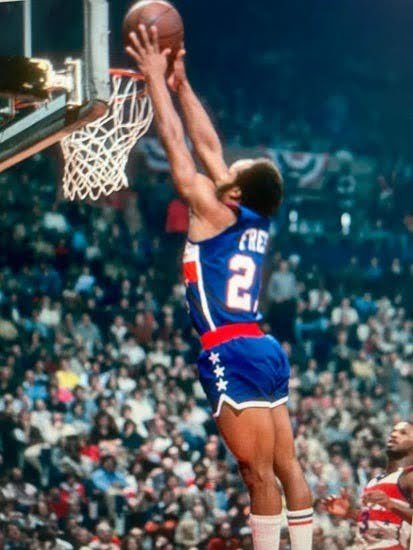
17. World B. Free (6’2”)
World B. Free was one of the most electrifying scorers of the 1970s and 1980s. At 6’2”, he was small even by guard standards of his era, yet he consistently played above his height with quickness, explosiveness, and fearless drives to the basket.
• Max vertical: estimated around 38–40 inches
• Signature moves: acrobatic layups, quick first-step drives, crafty finishes through traffic
• Analysis: Free’s explosiveness wasn’t always about high-flying dunks; it was about how fast he could get off the floor and navigate defenders. His timing and agility allowed him to create space and finish over taller players
In games, World B. Free was relentless attacking the rim. He used speed, body control, and quick elevation to score in ways most players his size could not.
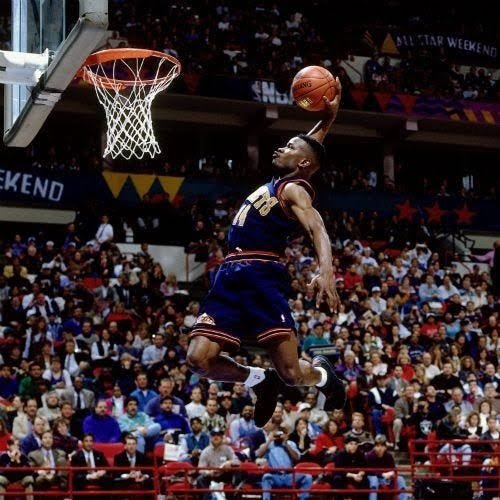
16. Robert Pack (6’2”)
Robert Pack might be one of the most overlooked explosive guards of the 1990s. At 6’2”, he was compact, powerful, and incredibly springy, with the kind of quick lift that surprised defenders who assumed he was a below the rim guard.
• Max vertical: estimated around 40 to 42 inches
• Signature moves: straight line drives, sudden one foot takeoffs, unexpected dunks in traffic
• Analysis: Pack’s explosiveness came from how quickly he could load and rise. He did not need space, and he did not telegraph his jump
What made Pack dangerous was surprise. Defenders would shade him for a pull up or a pass, and suddenly he was airborne. His dunks were not frequent, but they were decisive, and many came in traffic against bigger players who simply did not expect him to leave the floor that fast.
Pack was also strong for his size. That strength mattered when he took contact midair. He did not shy away from bodies, and he did not fade away. He went up with intent, which is often what separates true above the rim guards from those who only jump high in workouts.

15. Kevin Johnson (6’1”)
Kevin Johnson was one of the most explosive point guards of the late 1980s and 1990s. At 6’1”, he wasn’t small for a point guard by everyday standards, but in the NBA, he often faced taller defenders. His speed, leaping ability, and quick lift allowed him to finish above the rim with ease.
• Max vertical: estimated around 40–42 inches
• Signature moves: lightning-fast drives, acrobatic layups, occasional dunks over bigger guards and forwards
• Analysis: Johnson combined elite first-step quickness with rapid vertical lift. His explosiveness often caught defenders off guard, allowing him to rise above taller players in transition or traffic
In-game, Kevin Johnson could change a possession in a heartbeat. He attacked gaps decisively, finishing over wings and forwards while maintaining body control. His ability to convert horizontal speed into vertical elevation made him a constant threat near the rim.
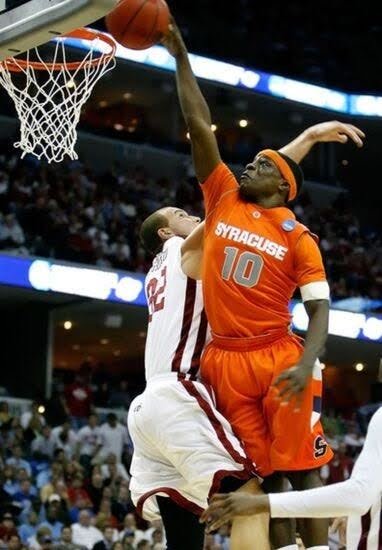
14. Jonny Flynn (6’0”)
Jonny Flynn’s NBA career was short, but his athletic profile absolutely fits this list. At just 6’0”, Flynn relied on quick lift, sharp change of direction, and fearless rim attacks to survive among much taller defenders.
• Max vertical: estimated around 38 to 40 inches
• Signature moves: quick one foot takeoffs, surprise rim attacks off hesitation dribbles, fast break finishes
• Analysis: Flynn’s explosiveness came more from speed and timing than raw power. He did not hang in the air, but he got off the ground quickly and before defenders were set
Flynn’s game was built on unpredictability. He attacked gaps early, caught bigs flat footed, and used his quick jump to finish plays that did not look available a split second earlier. His dunks were not frequent, but when they happened, they were clean and confident, especially in open space.
What separates Flynn from other small guards is that he was willing to challenge size. He did not avoid contact, and he did not rely solely on floaters. When the lane opened, he took it, even knowing he would be meeting someone taller at the rim.
Injuries ultimately cut his career short, but at his athletic peak, Jonny Flynn clearly played above his height. He belongs on this list not because of volume dunking, but because his explosiveness allowed him to operate in places most 6’0” guards never even attempt to go.
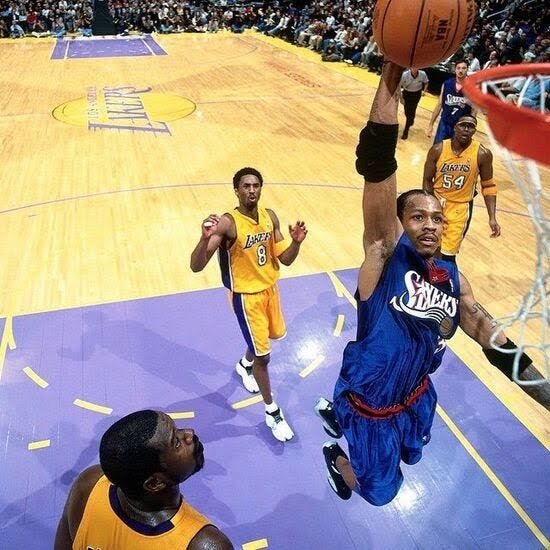
13. Allen Iverson (6’0”)
Allen Iverson was never the tallest player on the court, standing just 6 feet, but he consistently played above his height through a mix of explosiveness, agility, and fearlessness. Known for his lightning-quick first step and relentless attacks to the basket, Iverson could finish in ways that seemed impossible for someone his size.
- Max vertical: estimated 42 to 44 inches
- Signature moves: off-the-dribble elevation, acrobatic layups, and sudden in-game bursts toward the rim
- Analysis: Iverson’s explosiveness wasn’t about towering over defenders; it was about timing, speed off the floor, and precise body control. He could elevate just enough to finish, change directions midair, or avoid defenders’ hands
In games, Iverson’s combination of speed, leaping ability, and fearless mentality allowed him to score efficiently even against much taller opponents. He proved that playing above your height is as much about intelligence and skill as it is about athleticism, making him one of the most impactful “short” players in NBA history.
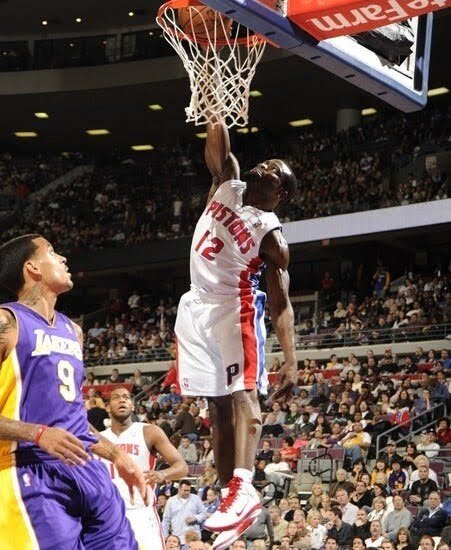
12. Will Bynum (6’0”)
Will Bynum never had the star label, but anyone who watched him play knew one thing right away. He could fly. At just 6’0”, Bynum played with the kind of confidence and explosiveness you usually only see from much bigger guards. When he attacked the rim, he did not hesitate, and he did not look small.
• Max vertical: no official NBA combine number, but widely estimated in the low to mid 40-inch range based on in-game dunks and pre-draft workouts
• Signature moves: straight-line drives, sudden two-foot takeoffs, powerful in-traffic dunks
• Analysis: Bynum’s explosiveness showed up most in tight spaces. He did not need a runway. He could plant, rise, and finish before defenders had time to react
What made Bynum stand out was how comfortable he was dunking in traffic. He was not just jumping high in open space. He was jumping into bodies and still getting above the rim. For a 6’0” guard, that matters more than any vertical number. His ability to explode off two feet allowed him to finish plays that most players his size would never even attempt.
Bynum’s NBA role was limited, but his athletic ability was real. When he had space, he could elevate over defenders who clearly had size on him. He is one of those players whose highlights surprise people because they do not expect that kind of lift from someone that small.
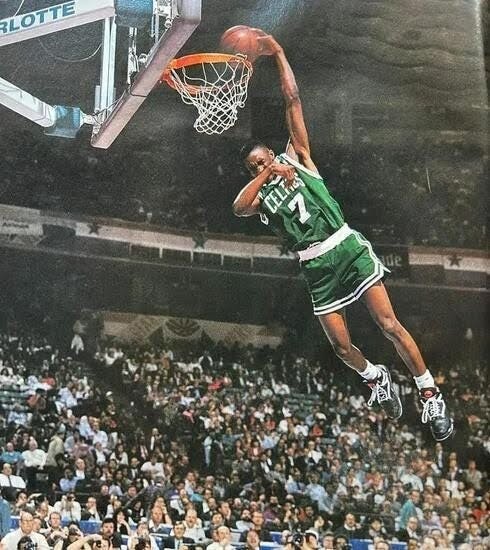
11. Dee Brown (6’0”)
Dee Brown is often remembered for the Reebok Pump moment in the 1991 Slam Dunk Contest, but the athleticism behind that moment was very real. At 6’0”, Brown was one of the more explosive guards of his era, capable of getting above the rim in a league that was far less guard friendly than today.
• Max vertical: estimated around 40 inches
• Signature moves: fast break dunks, one foot takeoffs, open court elevation
• Analysis: Brown’s explosiveness showed most in space. He built speed quickly and translated it into clean vertical lift, especially in transition
Brown was not a constant in game poster dunker, but when he had a lane, he finished plays decisively. His Slam Dunk Contest win was not a gimmick. It reflected real bounce and confidence attacking the rim.
In games, Brown played above his height by knowing when to go. He did not force traffic finishes, but he punished defenses when rotations were late. That ability to read space and explode at the right moment allowed him to compete vertically with taller wings.
Dee Brown represents an earlier version of the athletic guard. Less flash than today’s high flyers, fewer opportunities, but still enough explosiveness to make the rim accessible at 6’0”.
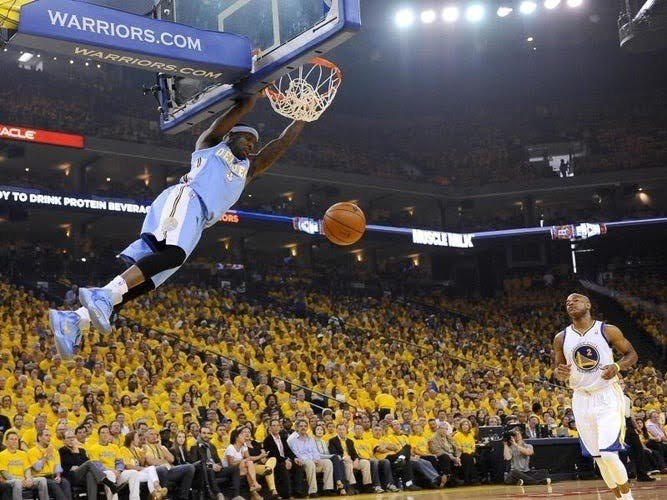
10. Ty Lawson (5’11”)
Ty Lawson is not the first name people think of when they hear “above-the-rim guard,” and that is exactly why he belongs in this conversation. At 5’11”, Lawson did not rely on size, and he was not a dunk contest type athlete. What he had was explosive speed, quick lift, and just enough vertical pop to finish plays most guards his size could not.
• Max vertical: estimated around 40 inches based on pre-draft reports and in-game lift
• Signature moves: high-speed drives, quick one-foot takeoffs, fast-break finishes, occasional in-traffic dunks
• Analysis: Lawson’s explosiveness came from momentum and timing. He built speed downhill and converted it into vertical lift before defenders could fully load or rotate
Lawson’s best above-the-rim moments came in transition. When he had a lane, he was gone. Defenders often underestimated how quickly he could get off the floor, which led to surprising finishes at the rim and a handful of clean dunks despite being under six feet tall.
He was not a “jump over your head” dunker in the way Nate Robinson was or Ja Morant is. But for his size, Lawson played taller than expected. His ability to rise quickly was enough to punish defenses that treated him like a below-the-rim guard.
That is the key distinction here. Playing above your height does not always mean violent poster dunks. Sometimes it means forcing defenders to respect your vertical threat when, on paper, they should not have to.
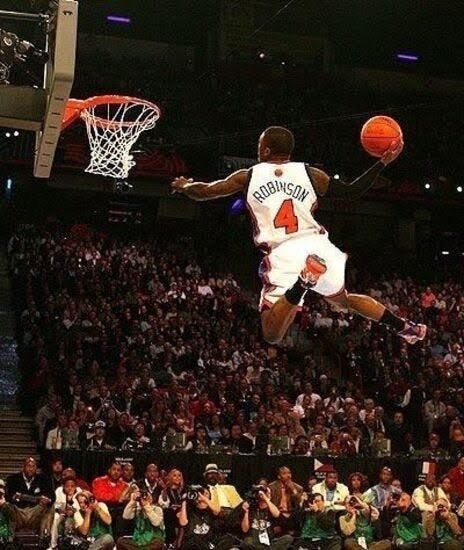
9. Nate Robinson (5’9”)
Nate Robinson was a highlight reel waiting to happen. Standing 5’9”, he became one of the most explosive players in NBA history. While his height was a disadvantage, Robinson’s vertical leap more than made up for it. His 43.5-inch vertical was exceptionally high relative to his 5’9” height, reaching nearly two-thirds of his standing height. He won the Slam Dunk Contest three times, an achievement no one else has matched, showing he could compete with the league’s tallest athletes.
- Max vertical: around 43 to 44 inches
- Signature moves: lightning-fast jumps off the dribble, creative finishes in traffic, and acrobatic dunks over much taller defenders
- Analysis: Robinson’s explosiveness came from his ability to generate massive force quickly. His legs acted like springs, propelling him into the air with remarkable speed. He combined raw athleticism with fearless timing, often soaring over defenders who were six inches or more taller.
In-game, Robinson was more than a dunking spectacle. He could finish through contact, grab rebounds, and consistently turn fast breaks into highlight plays. His vertical prowess allowed him to create moments that seemed impossible for someone his size, cementing him as one of the greatest small players to play above his height.

8. Isaiah Thomas (5’9”)
Isaiah Thomas may have been small for the NBA at 5’9”, but he consistently played bigger than his height thanks to his quickness, agility, and fearless approach to scoring. Thomas wasn’t known for flashy dunks, but his ability to create space, elevate over defenders, and finish in traffic made him a serious offensive threat.
- Max vertical: estimated 40 inches
- Signature moves: sudden drives, crafty floaters, and midair adjustments to avoid shot blockers
- Analysis: Thomas relied on speed off the floor, precise timing, and body control to maximize his effectiveness. His explosiveness wasn’t just vertical; it was about creating separation and converting that into points
In games, Thomas often faced defenders several inches taller, yet he consistently scored at a high level. His ability to play above his height came from technique, court vision, and fearless execution. He proved that even without elite dunking ability, a shorter player could dominate using skill, explosiveness, and basketball IQ.
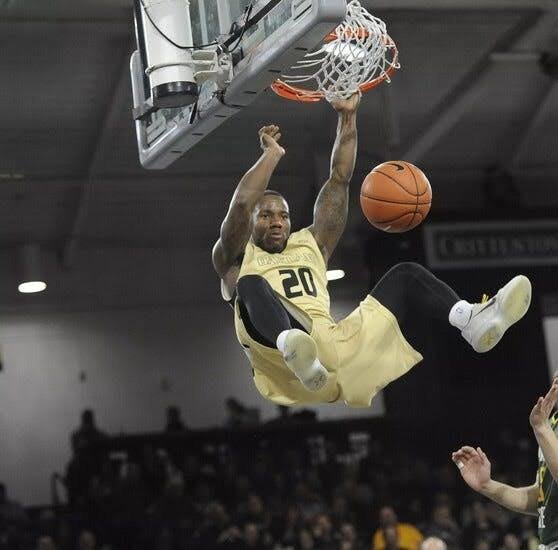
7. Kay Felder (5’9”)
Kay Felder is one of the more recent guards to play above his height in the NBA. At 5’9”, he faced a league stacked with bigger, longer guards and wings, but he relied on quickness, sharp change of direction, and lift off the floor to make plays.
• Max vertical: estimated around 38–40 inches
• Signature moves: explosive drives, one-foot takeoffs in transition, crafty finishes around taller defenders
• Analysis: Felder’s explosiveness is not about soaring over multiple bodies like Nate Robinson, but about getting enough lift in tight spaces to finish through traffic. He uses speed and timing to maximize his vertical output
In games, Felder often converted fast breaks into points before defenders could react. His dunks were rare but effective, and his ability to elevate quickly made him a threat for layups and short-range finishes even against longer defenders.
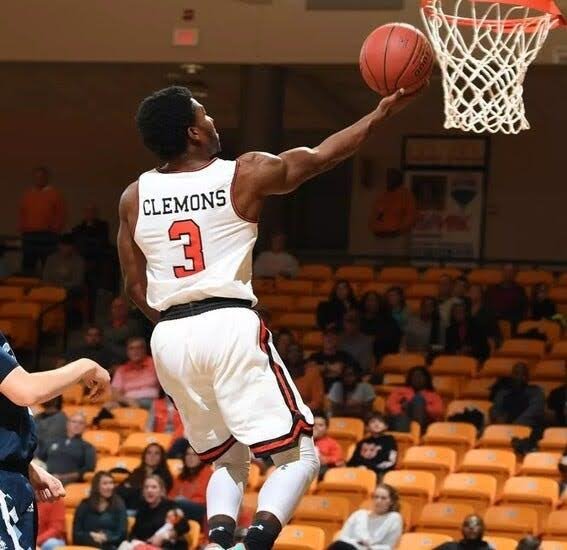
6. Chris Clemons (5’9”)
Chris Clemons is one of the more recent examples of a short NBA player who consistently played above his height. At 5’9”, he faced enormous challenges competing at the professional level, yet his explosiveness and quickness allowed him to attack the rim, finish in traffic, and create scoring opportunities that taller players struggled to contest.
- Max vertical: estimated 44 inches
- Signature moves: rapid step-offs, in-air adjustments, and lightning-fast drives to the basket
- Analysis: Clemons’ game relies heavily on rate of force development, meaning he can convert leg power into upward lift almost instantaneously. Combined with his agility, this allows him to get off the floor faster than most defenders anticipate
In games, Clemons’ explosiveness and fearless mentality made him a constant scoring threat. He could turn a simple drive into a highlight-worthy finish and often overcame size disadvantages through timing, athleticism, and technique.
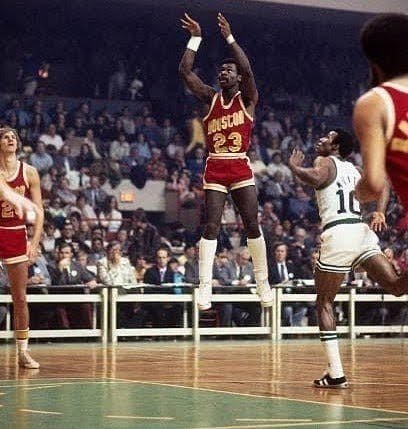
5. Calvin Murphy (5’9”)
Calvin Murphy played in a different NBA, one that was slower, more physical, and far less friendly to small guards. At 5’9”, he was giving up size to almost everyone on the floor, yet he still managed to play big when it mattered.
• Max vertical: estimated high 30s to around 40 inches
• Signature moves: quick lift pull ups, aggressive drives, crafty finishes in traffic
• Analysis: Murphy’s explosiveness showed up more in how quickly he got off the floor than how high he rose. He beat defenders with speed and timing, not raw elevation
Murphy was not a dunk-over-defenders type in the way Nate Robinson or Spud Webb were. He did dunk occasionally, but that was not his calling card. What made him special was that he could still attack the paint without fear. He elevated quickly, finished through contact, and did not get swallowed up by size the way most players his height would.
Playing in the 1970s, Murphy had even less spacing and fewer driving lanes than modern guards. That makes his ability to score inside even more impressive. His explosiveness allowed him to create just enough space vertically to get clean looks before help defenders arrived.
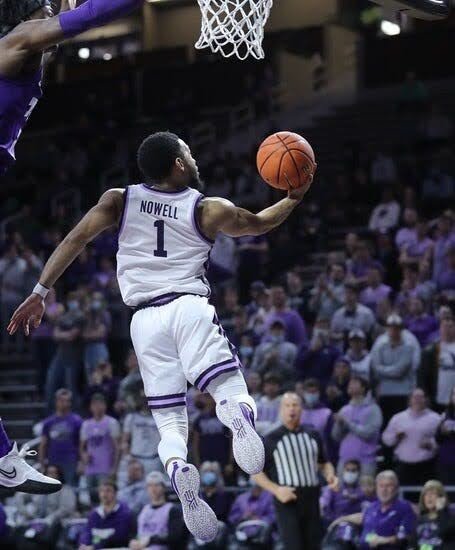
4. Markquis Nowell (5’7”)
Markquis Nowell is one of the shortest players to even get NBA looks in the modern era. At 5’7”, just stepping onto an NBA floor is already playing above your height. But it is important to be clear about what kind of athlete Nowell actually is.
• Max vertical: estimated mid to high 30s
• Signature moves: quick burst finishes, crafty layups, floaters, and body control in traffic
• Analysis: Nowell’s game is built on speed, balance, and touch, not on dunking or jumping over defenders
Unlike many names on this list, Nowell is not a jump-over-defenders dunker. He does not rise above people. He survives around them. His explosiveness shows up in how quickly he changes direction, how fast he gets off the floor for short finishes, and how he avoids contact rather than powering through it.
What makes Nowell noteworthy is not vertical dominance, but margin for error. At his size, there is almost none. Every finish requires precise timing and angle. Every drive demands confidence. He plays above his height by staying aggressive in spaces most players his size are taught to avoid entirely.
Nowell does not fit the literal mold of explosive dunkers who soar over defenders, but he fits the broader idea of short players surviving at a level that was never designed for them. Including him adds contrast. Not every short player beats the league by jumping higher. Some do it by staying fast, fearless, and stubborn enough to keep attacking anyway.

Spud Webb (5’7”)
Spud Webb is the ultimate example of a short player defying expectations. At just 5’7”, he amazed fans and opponents alike with his ability to finish over players nearly a foot taller. His roughly 46-inch vertical was about 70 percent of his height. He famously won the 1986 Slam Dunk Contest, proving that height isn’t everything when it comes to leaping ability.
- Max vertical: around 46 inches
- Signature moves: explosive one- and two-step jumps, perfect timing on dunks, and incredible midair control
- Analysis: Webb’s success came from more than raw athleticism. His fast-twitch muscles, combined with precise coordination of legs, hips, and shoulders, allowed him to generate enormous lift in a fraction of a second.
On the court, Webb could turn a short approach into a jaw-dropping finish over much taller defenders. In transition, his ability to get off the ground so quickly gave him a narrow window to attack the rim before bigger defenders could establish position. That combination of sudden lift, timing, and body control made his size far less important once he was already in the air.
Webb also features among the 25 greatest vertical jumpers in NBA history, where his aerial ability is compared with legends such as Michael Jordan and Vince Carter.
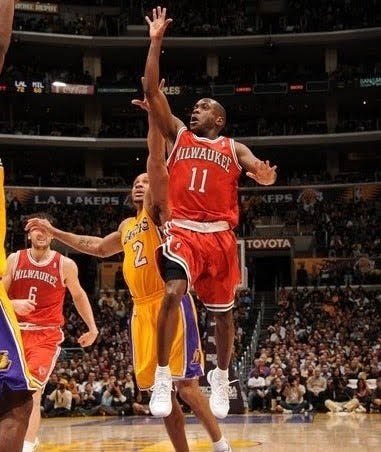
2. Earl Boykins (5’5”)
Earl Boykins is one of the smallest players in NBA history, standing just 5’5”, but his game proves that size isn’t everything. While he couldn’t dunk over taller defenders like some of the other players on this list, his explosiveness, speed, and creativity allowed him to make an outsized impact on the court.
- Max vertical: estimated 40 to 42 inches
- Signature moves: quick cuts around defenders, crafty finishes near the rim, and lightning-fast drives in traffic
- Analysis: Boykins relied on timing, agility, and body control rather than raw height or pure vertical. His ability to accelerate quickly off the floor, combined with precise footwork and hand-eye coordination, let him score in ways that often surprised taller defenders
In games, Boykins turned his size into an advantage. He could slip through defenses, convert fast breaks into points, and finish creatively around the rim. While he didn’t soar over players in the same way as Spud Webb or Nate Robinson, his relative explosiveness and skill meant he consistently played above his height in terms of impact and effectiveness.

1. Muggsy Bogues (5’3”)
Muggsy Bogues holds the distinction of being the shortest player in NBA history at just 5’3”, yet he consistently outplayed taller opponents. His game was built less around playing above the rim and more around using his low center of gravity and elite floor generalship to control the action. Bogues didn’t just navigate a game built for much bigger players; he dictated its tempo.
- Max vertical: estimated 36 to 38 inches
- Signature moves: lightning-quick drives, crafty finishes around the rim, and relentless defensive pressure
- Analysis: Bogues’ explosiveness came from rapid acceleration, agility, and an understanding of timing. He knew exactly when to jump, how to use his body to shield the ball, and how to navigate through traffic, allowing him to compete against much taller players
In games, Bogues could finish around the rim, grab steals, and initiate fast breaks that turned into easy points for his team. His speed and court intelligence proved that height isn’t the only factor in basketball success. Muggsy Bogues may not have been a high-flyer, but his ability to control the game from the floor made his 5’3” frame almost secondary.
Final Thoughts
Playing above your height is not just about how high you can jump. It also takes timing, coordination, body control and the ability to turn that athleticism into something useful on the court.
These players showed that being 6’3″ or shorter did not put a ceiling on what they could do around the rim.