From Hall of Famers to modern stars, these quarterbacks 6’0″ and under rewrote the rules of the game, proving that skill, vision, and heart matter more than height
What Is the Most Important Characteristic of a Quarterback?
For decades, height has been treated as one of the most important physical traits for an NFL quarterback. The league’s long-standing preference is clear: the average starting quarterback today stands around 6’3″, a number that has quietly shaped scouting rooms, draft boards, and front-office decisions for generations.
With offensive and defensive linemen regularly measuring 6’5″ to 6’7″, teams have traditionally believed quarterbacks needed extra height just to survive. The logic was simple: see over the line of scrimmage, locate receivers more easily, and deliver the ball without getting it tipped at the line.
But history tells a more complicated story.
Despite the league’s obsession with size, some of the most productive, dynamic, and memorable quarterbacks in NFL history were well below the so-called ideal height. These players didn’t fit the prototype. They didn’t look the part during pre-draft measurements. And in many cases, they were doubted long before they ever took an NFL snap.
Yet they found ways to succeed, sometimes in spite of their height, sometimes because of how it forced them to play the position differently.
The Physical Trade-Offs of Being a Short Quarterback
Height has always been framed as a requirement for playing quarterback in the NFL, but being shorter isn’t simply a disadvantage. It’s a trade-off, one that reshapes how the position is played.
The most obvious challenge is visibility. Shorter quarterbacks operate behind offensive lines where defenders often stand several inches taller. Passing lanes close faster. Throws that look clean on paper can get batted down in real time. From a traditional scouting perspective, this alone has been enough to disqualify many prospects before they ever reached a training camp.
But what short quarterbacks lack in stature, they often make up for in adaptability.
Limited sightlines force quicker processing. Shorter quarterbacks tend to rely less on stationary pocket passing and more on movement, sliding within the pocket, rolling out, or creating new throwing angles on the fly. Over time, this breeds instincts that can’t be taught in a drill.
Mobility is another natural advantage. A lower center of gravity can improve balance and suddenness, helping shorter quarterbacks evade pressure and reset their feet faster than taller counterparts. Many develop an internal clock that’s sharper, knowing they can’t afford to wait for plays to unfold perfectly.
Arm angle also becomes a weapon. Unable to rely on height alone, shorter quarterbacks often master unconventional release points: sidearm throws, quick flicks, and off-platform passes that neutralize defensive linemen who expect a traditional over-the-top motion.
Of course, these adaptations don’t guarantee success. The margin for error is smaller. Timing must be precise. Decision-making has to be faster. When things break down, there’s less physical forgiveness.
But when the skill set clicks, the results can be extraordinary.
Time and again, NFL history has shown that shorter quarterbacks don’t succeed by ignoring their height. They succeed by building an entirely different game around it.
Measuring “Short” in an NFL Built for Height
Before diving into the list, it’s worth defining what short actually means at the quarterback position.
In today’s NFL, the unofficial benchmark for an ideal quarterback sits between 6’2″ and 6’5″. Anything below that range has historically raised concerns in scouting rooms; questions about durability, visibility, and long-term upside tend to surface quickly once a prospect falls under the 6’2″ mark.
For this article, “short” refers to quarterbacks who stood 6’0″ or shorter at the time they entered the league. Some were barely below the threshold. Others were dramatically undersized by NFL standards. All of them faced skepticism rooted not in production, but in measurements.
A few of these players were highly drafted despite their height, buoyed by elite college résumés or exceptional athletic traits. Others went overlooked entirely, forced to carve out careers as backups, specialists, or long-shot starters.
What they share is a common challenge: each had to succeed in a league that was not designed with them in mind.
Some rewrote expectations. Some became cautionary tales. And some proved that the quarterback position, more than any other, cannot be reduced to inches on a measuring tape.
The list that follows isn’t about rankings or declaring a “best” short quarterback. It’s about context, about understanding how size influenced opportunity, perception, and performance at the most scrutinized position in professional sports.
The Shortest Quarterbacks in NFL History
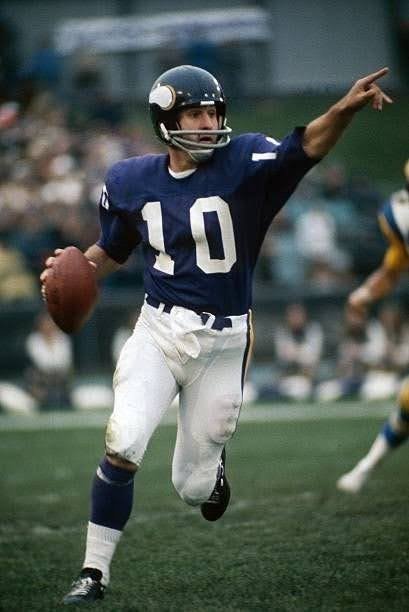
30. Fran Tarkenton — 6’0″ (Hall of Famer)
Fran Tarkenton wasn’t the tallest quarterback on the field, but he made height irrelevant. At 6’0″, he had to rely on his feet, instincts, and sheer creativity to win games. Tarkenton was a master at improvisation, scrambling to escape pressure, throwing on the run, and turning broken plays into highlight reels. Over his 18-year career, he became the NFL’s all-time passing leader, proving that vision, intelligence, and agility can more than make up for what you lack in stature.
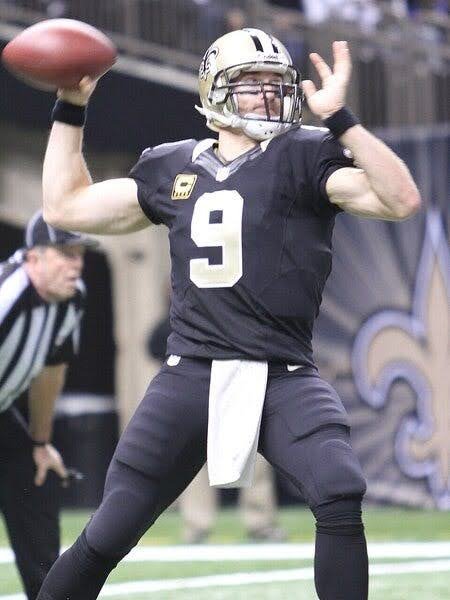
29. Drew Brees — 6’0″ (Hall of Famer)
Drew Brees faced a constant uphill battle. Scouts doubted his height, calling him “too short” for the NFL. At 6’0″, Brees had to perfect everything else: mechanics, footwork, and anticipation. He turned precision into an art form, dissecting defenses with pinpoint accuracy and timing. Brees didn’t just survive the NFL; he dominated, retiring as the league’s all-time leader in passing yards and completions. His career is a blueprint for how skill and preparation can outweigh size.
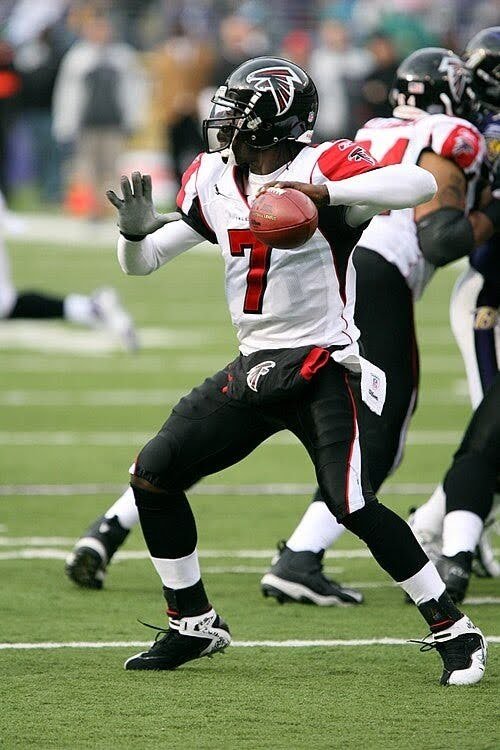
28. Michael Vick — 6’0″ (Pro Bowler / Revolutionized QB Mobility)
Michael Vick changed the game for quarterbacks who weren’t towering over defenses. At 6’0″, he wasn’t just a passer, he was a force of nature. Defenders learned quickly that Vick could sprint, spin, and juke in ways that no traditional pocket quarterback could. With record-setting rushing yards for a quarterback and a cannon for an arm, Vick redefined what being “undersized” at the position could look like: electric, unpredictable, and game-changing.
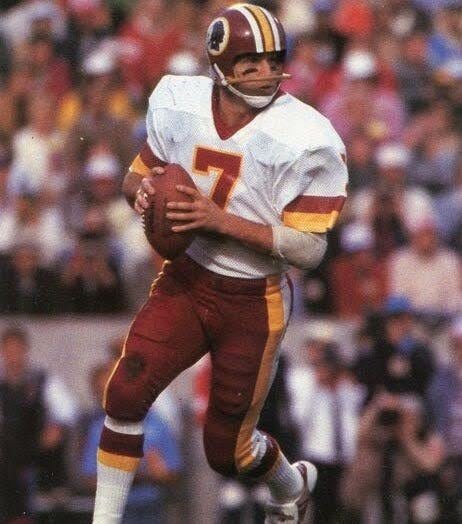
27. Joe Theismann — 6’0″ (Super Bowl Champion & NFL MVP)
Joe Theismann never fit the prototype, and he never waited for permission. At six feet tall, he played with urgency, swagger, and total command of the offense. He led Washington to a Super Bowl, won league MVP, and became the heartbeat of one of the NFL’s toughest teams. Theismann didn’t rely on size. He relied on confidence, timing, and the belief that he belonged and he made everyone else believe it too.
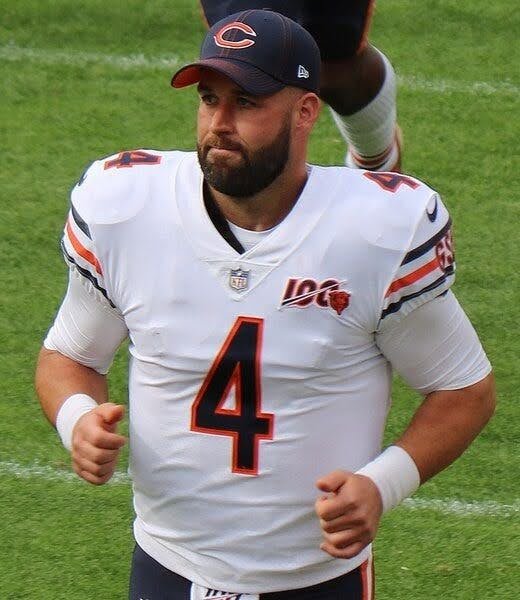
26. Chase Daniel — 6’0″ (NFL Journeyman / Roster QB)
Chase Daniel has never been the flashiest quarterback, but at 6’0″, he’s carved out a remarkable career as a reliable, intelligent backup. Known for his sharp decision-making and quick release, Daniel has been the steady hand teams trust to step in and manage a game. His career proves that preparation, football IQ, and consistency can keep a “smaller” QB in the league year after year.
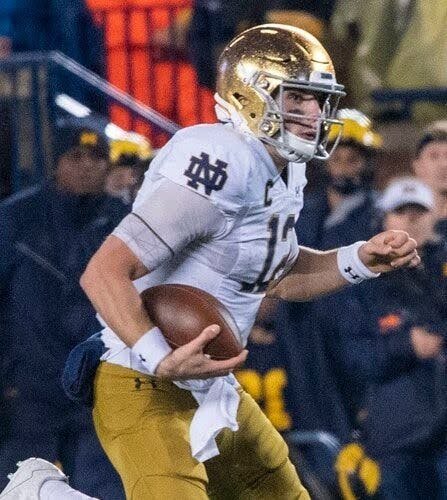
25. Ian Book — 6’0″ (Recent NFL Roster QB)
Ian Book, standing 6’0″, represents the new wave of undersized quarterbacks trying to make their mark. Agile and quick-thinking, he brings accuracy and poise to every snap. Though still early in his NFL journey, Book shows that modern quarterbacks don’t need height to compete. They need vision, precision, and the confidence to lead an offense under pressure.
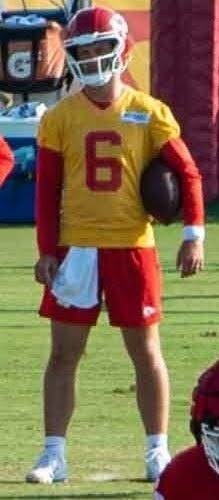
24. Shane Buechele — 6’0″ (NFL Roster QB)
Shane Buechele may not grab headlines, but at 6’0″, he’s a prime example of a quarterback who thrives on preparation and consistency. Quick with his reads and precise with his throws, Buechele has earned trust as a reliable backup, proving that even “smaller” quarterbacks can carve out meaningful roles in the NFL when fundamentals and intelligence are on point.
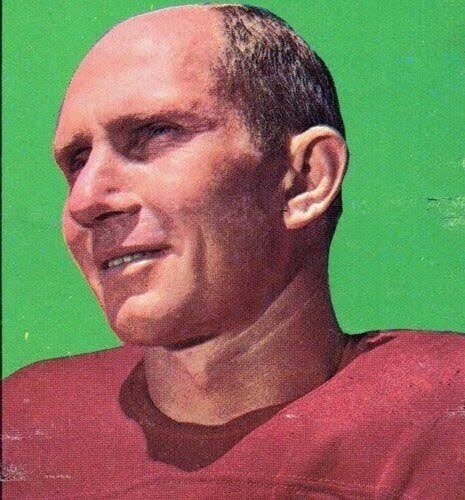
23. Y.A. Tittle — 6’0″ (Hall of Famer)
Y.A. Tittle brought a calm, cerebral presence to the quarterback position. Listed at 6’0″, he wasn’t imposing by modern standards, but his mastery of timing and anticipation made him deadly in the pocket. Tittle could read defenses before the snap, threading passes with precision that left defenders frozen. Across a career spanning the 1940s to 1960s, he redefined how a quarterback could dominate without towering over the line.
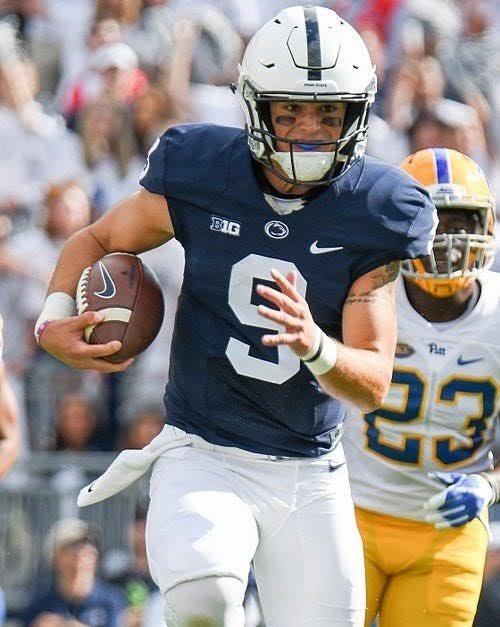
22. Trace McSorley — 6’0″ (NFL Roster QB)
Trace McSorley brings energy and smarts to every huddle. At 6’0″, he may not tower over defenders, but his ability to extend plays with his legs and deliver accurate passes under pressure keeps him competitive. McSorley’s career shows that agility, field awareness, and grit can turn perceived limitations into opportunities in the league.
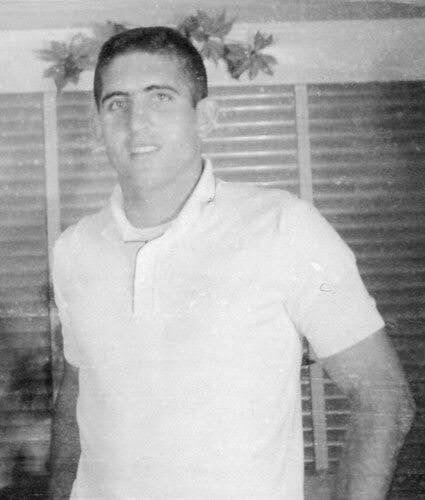
21. George Mira — 6’0″ (1960s Era Quarterback)
George Mira carved out a unique place in NFL history, often listed among the shorter quarterbacks of the 1960s. Standing 6’0″, he combined agility, intelligence, and arm talent to navigate an era dominated by larger signal‑callers. Mira played for the San Francisco 49ers and the Baltimore Colts, demonstrating remarkable mobility and leadership, particularly in situations that demanded quick thinking. While he may not have the fame of his taller peers, his adaptability and skill under pressure make him a notable figure for anyone studying the evolution of quarterback play.
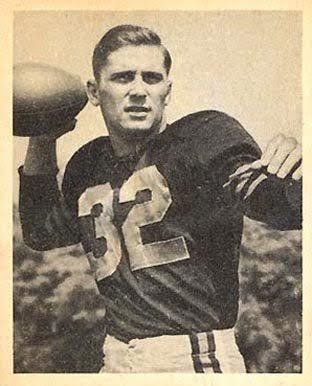
20. Johnny Lujack — 6’0″ (1940s NFL QB)
Johnny Lujack may not have turned heads with his height, but at 6’0″ he commanded the field with poise and accuracy. Playing in the 1940s, Lujack was a true dual-threat, blending passing skill with smart mobility. His leadership and clutch performances earned him recognition as one of the era’s elite QBs, proving that football intelligence and decision-making often matter more than raw size.
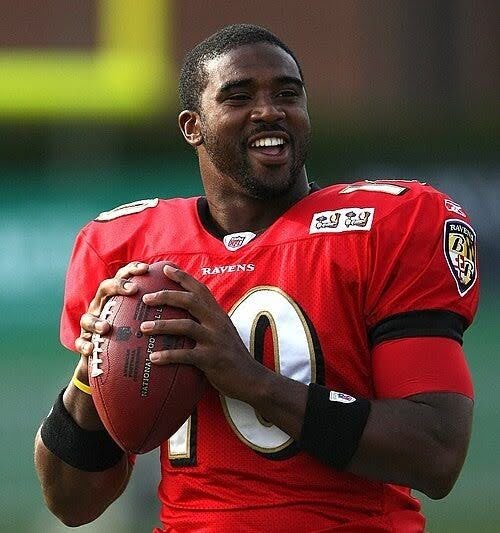
19. Troy Smith — 6’0″ (2000s NFL QB)
Troy Smith brought speed, intelligence, and a sharp football mind to the quarterback position at 6’0″. Known for his quick release and ability to read defenses, Smith turned his size into an asset, moving deftly in and out of the pocket. Though his NFL tenure was brief compared to some, his college Heisman-winning career highlighted how preparation, anticipation, and instincts can overcome perceived physical limitations.
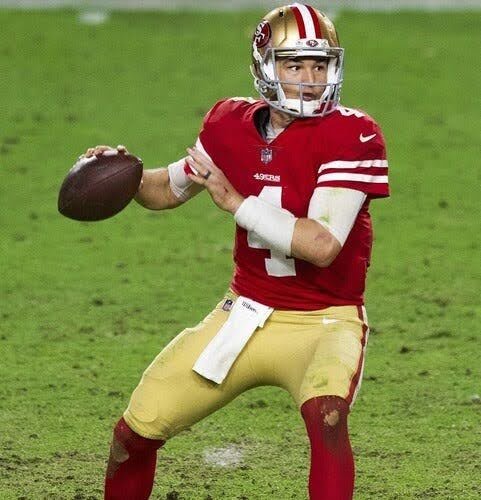
18. Nick Mullens — 6’0″ (NFL Starter)
Nick Mullens never fit the mold on paper, and that was the challenge he carried into the league. At 6’0″ and undrafted, he survived by mastering timing, reads, and composure under pressure. Thrust into action with the 49ers, Mullens played with confidence and decisiveness, attacking defenses rather than shrinking from them. His career shows that quick processing and fearlessness can still carve out a place in a league obsessed with size.
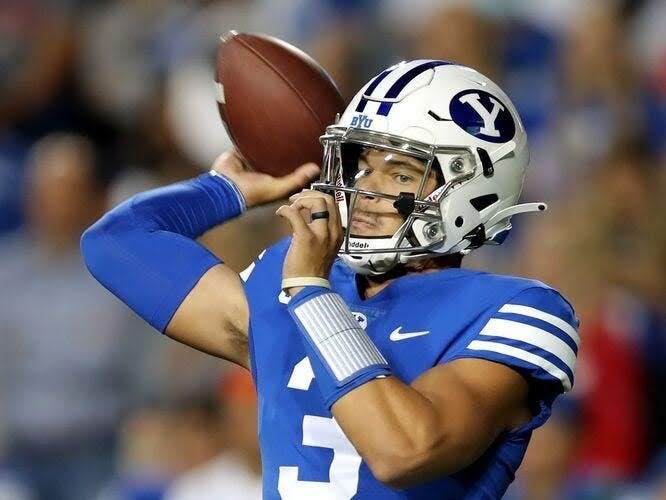
17. Jaren Hall — 6’0″ (NFL Roster Quarterback)
Jaren Hall may not turn heads for his height, but at 6’0″, he makes every inch count with accuracy, vision, and adaptability. Hall has a natural feel for timing and spacing, thriving in situations where precision is everything. Whether reading defenses or threading the ball into tight windows, he plays with confidence that belies his experience. Hall proves that even in a league built for size, intelligence and quick decision-making can carve out a place on the field.
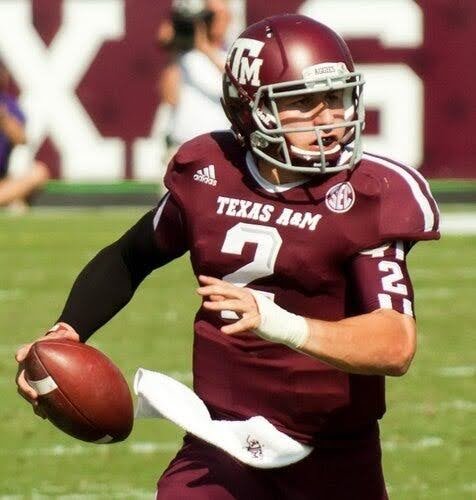
16. Johnny Manziel — ~5’11¾″ (First-Round QB / Heisman Winner)
Johnny Manziel, standing just under six feet, turned every doubt into a highlight reel. “Johnny Football” wasn’t just about size. He dazzled with improvisation, quick feet, and fearless instincts. As a first-round pick and Heisman winner, Manziel electrified defenses and fans alike, showing that a quarterback doesn’t need height to dominate a game or a narrative.
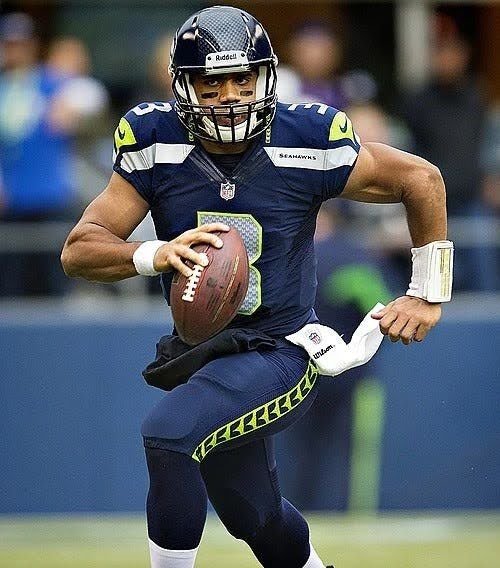
15. Russell Wilson — 5’11″ (Super Bowl Champion & Pro Bowler)
Russell Wilson may be 5’11″, but he’s proof that height is just a number. Known for ice-cold poise, pinpoint accuracy, and uncanny play extension, Wilson has led his teams to Super Bowl glory and multiple playoff runs. Defenders learned early that his mobility, vision, and competitive fire made him nearly impossible to contain, making him one of the most successful “undersized” quarterbacks in NFL history.
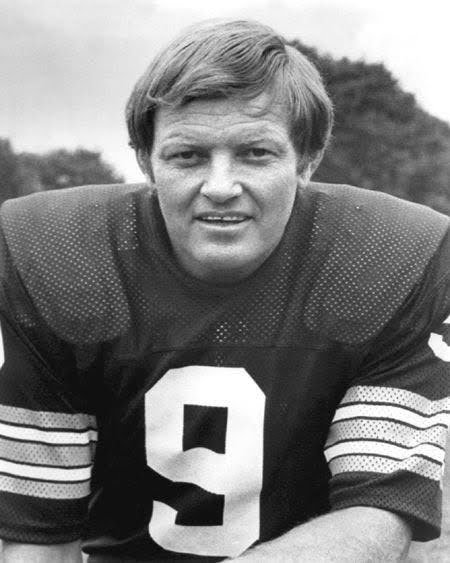
14. Sonny Jurgensen — 5’11″ (Hall of Famer)
Sonny Jurgensen might have stood just 5’11″, but he threw like a giant. Renowned for his pinpoint accuracy and fearless downfield passing, Jurgensen dominated the NFL in the 1960s and ’70s. His quick release and sharp football IQ allowed him to carve windows in any defense, earning a Hall of Fame career and proving that skill and vision outweigh mere inches.
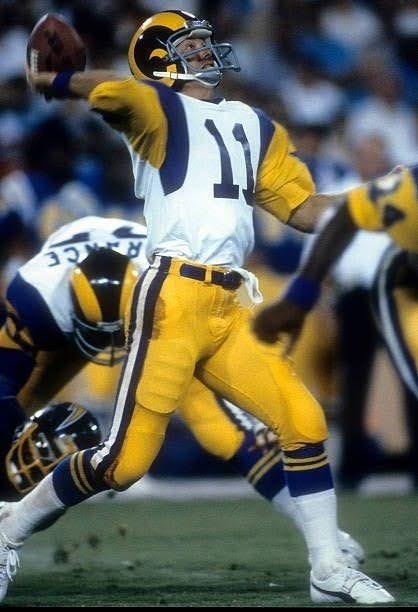
13. Pat Haden — 5’11″ (Late 1970s NFL QB)
Pat Haden stood 5’11″, but his impact went far beyond height. The USC standout brought intelligence, accuracy, and leadership to the field, thriving in an era when size often dictated opportunity. Haden’s NFL career may have been brief, but he demonstrated that smarts, timing, and precision can make an undersized quarterback a serious contender.
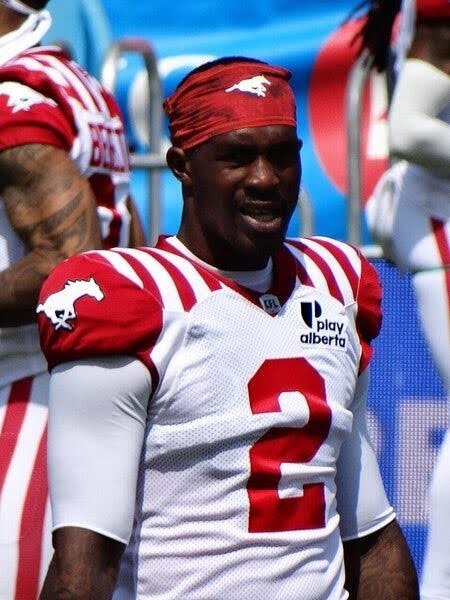
12. P.J. Walker — 5’11″ (Modern NFL Roster QB)
P.J. Walker, standing 5’11″, proves that speed, accuracy, and poise can level the playing field against taller defenders. Known for his quick release and mobility, Walker has earned his spot on NFL rosters despite being “undersized.” He shows modern quarterbacks that preparation, adaptability, and confidence are just as critical as height.
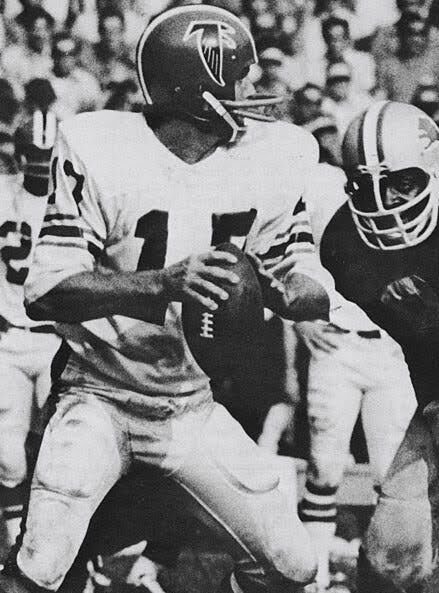
11. Bob Berry — 5’11″ (1960s–1970s NFL QB)
Bob Berry may have been only 5’11″, but he brought precision and grit to every snap. Playing in an era dominated by bigger signal-callers, Berry relied on smart reads, accurate passes, and clutch decision-making to lead his teams. His career is a reminder that football IQ and composure often matter more than raw size.
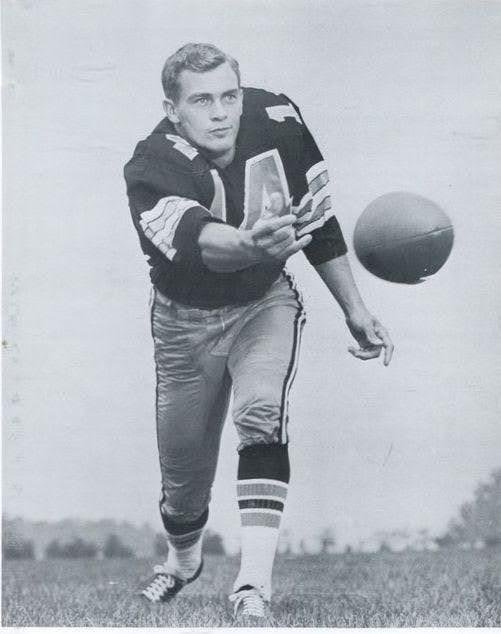
10. Edd Hargett — 5’11″ (1969–1973 NFL QB)
Edd Hargett stood 5’11″, but he commanded the field with intelligence and timing. Playing in the late ’60s and early ’70s, Hargett relied on accuracy and quick decision-making to compete against bigger, stronger defenders. His career may not have been Hall of Fame-bound, but he proved that even a “smaller” quarterback could handle the pressure of the NFL spotlight.
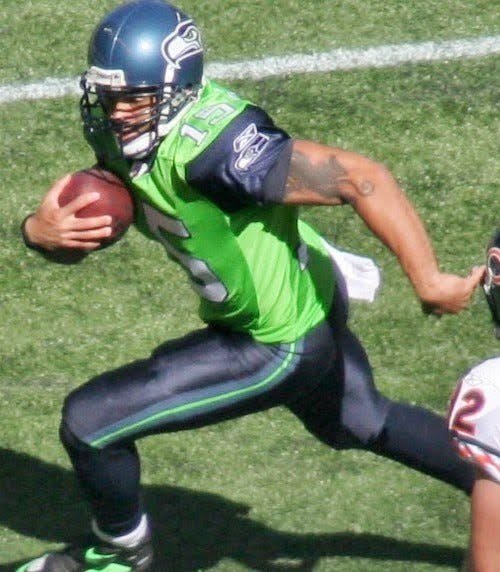
9. Seneca Wallace — 5’11″ (2000s NFL QB)
Seneca Wallace, also 5’11″, brought versatility and creativity to every offense he joined. Known for his ability to extend plays with his legs and improvise under pressure, Wallace was a favorite for trick plays and clutch moments. His career illustrates how agility, football IQ, and fearless play can overcome the height disadvantage at quarterback.
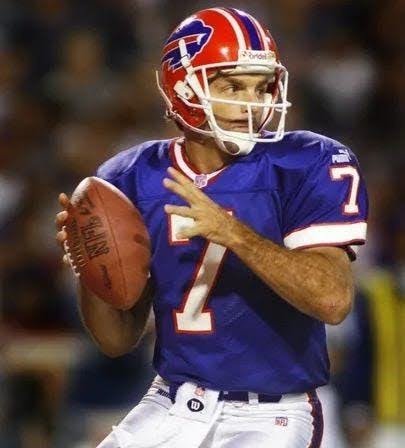
8. Doug Flutie — 5’10″ (NFL & CFL Legend)
Doug Flutie, standing just 5’10″, redefined what a “small” quarterback could achieve. With lightning-fast reflexes, pinpoint accuracy, and unmatched elusiveness, Flutie dominated the CFL and carved out a long NFL career. His legendary Hail Mary passes and fearless playstyle proved that heart, agility, and brains often outshine height.
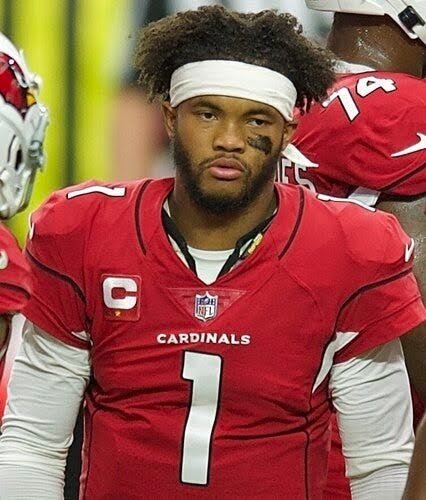
7. Kyler Murray — 5’10″ (Modern Star QB)
Kyler Murray may be only 5’10″, but he’s a modern NFL superstar. Combining blazing speed, quick release, and remarkable accuracy, Murray consistently turns defenses inside out. His dual-threat ability keeps defenders guessing, showing the league that size doesn’t define success — it’s vision, agility, and playmaking ability that matter most.
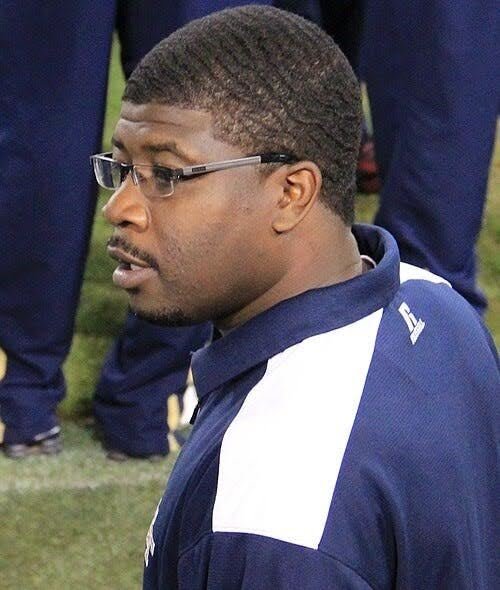
6. Joe Hamilton — 5’10″ (Drafted, Limited NFL Action)
Joe Hamilton, standing 5’10″, was a dynamic college star who caught NFL teams’ attention despite his size. Drafted in the early 2000s, Hamilton’s professional career was brief, but he showcased a quick release, smart decision-making, and fearless play. He’s a reminder that even the shortest quarterbacks can earn a shot in the league when talent and determination collide.
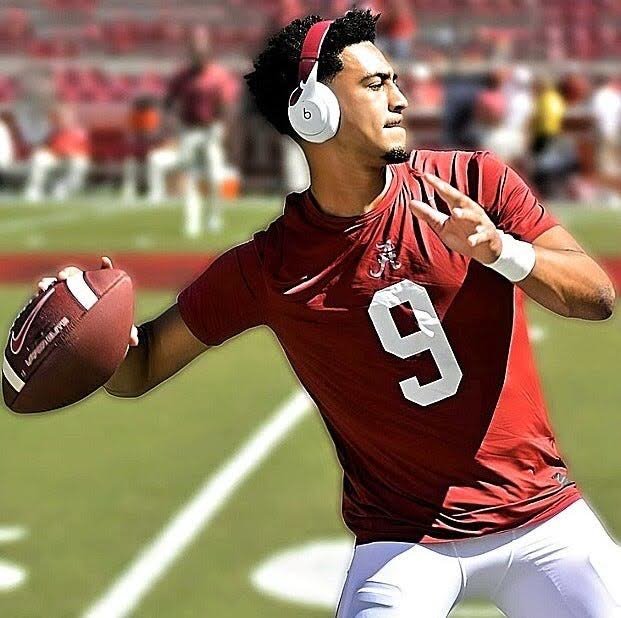
5. Bryce Young — 5’10″ (Modern NFL Quarterback)
Bryce Young entered the NFL with a storm of hype after an electrifying college career at Alabama. Officially measured at 5’10″ at the combine, Young is among the shortest quarterbacks in the league today, yet he’s already proving that size isn’t a barrier when vision, poise, and accuracy come together. Known for his lightning‑quick release and ability to evade pressure, he’s the kind of QB defenses dread in the modern spread offense. His rookie season is already turning heads, showing that a quarterback’s impact isn’t dictated by inches but by instinct and decision‑making.
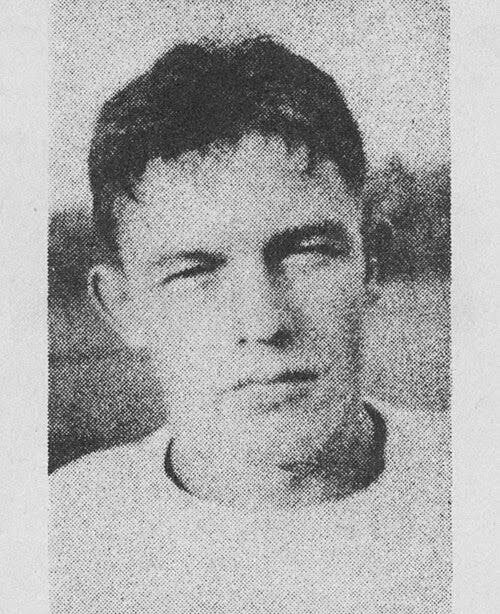
4. Reino Nori — 5’7″ (1930s NFL QB)
Reino Nori holds a special place in NFL history as one of the shortest quarterbacks ever. Standing just 5’7″, Nori faced a league dominated by larger players, yet he carved out a place for himself with quickness, vision, and courage. Every snap was a test of creativity, and Nori’s ability to evade defenders and deliver timely passes shows that even the smallest players can make an outsized impact.
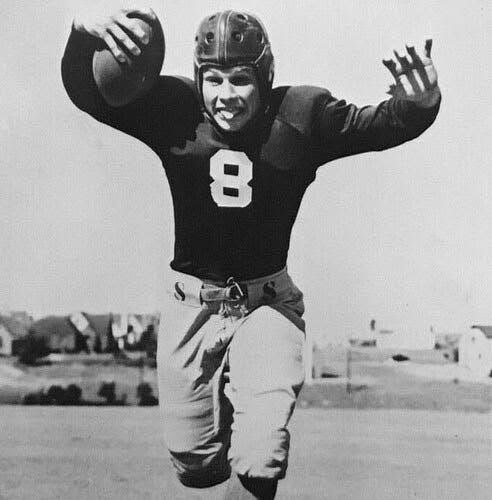
3. Davey O’Brien — ~5’7″ (1930s Era QB / Heisman Winner)
Davey O’Brien, standing around 5’7″, dominated college football in the 1930s, winning the Heisman Trophy, and carried that precision into the NFL. His small stature didn’t stop him from delivering accurate passes and smart leadership, proving that football intelligence and arm talent could overcome the height disadvantage even in the league’s earliest years.
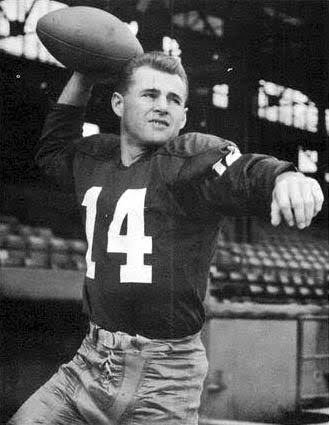
2. Eddie LeBaron — 5’7″ (Historic NFL QB / Iconic “Little General”)
Eddie LeBaron, often cited as the shortest quarterback in NFL history, stood 5’7″ but played with outsized courage and vision. Nicknamed the “Little General,” LeBaron led his teams with poise, precision, and fierce competitiveness in the 1950s and ’60s. His career is a testament to the idea that heart, leadership, and football IQ can far outweigh inches on a measuring tape.
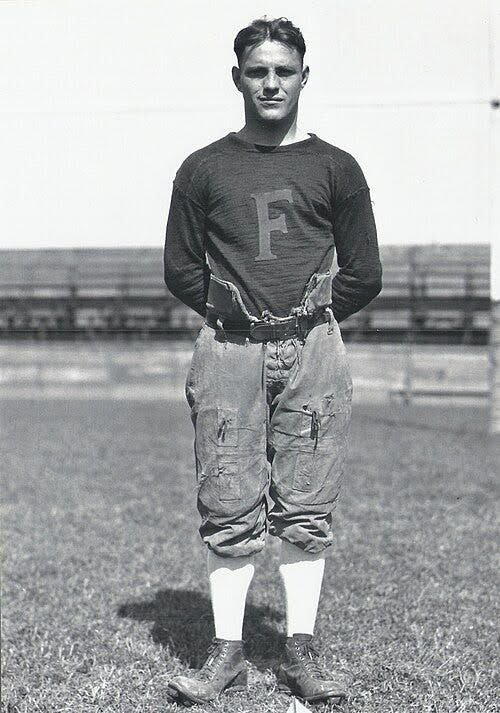
1. Henry “Two-Bits” Homan — 5’5″ (Early NFL QB)
Henry “Two-Bits” Homan is legendary not for his height — standing just 5’5″ but for his courage and ingenuity on the field. Playing in the earliest days of professional football, Homan defied expectations with quick decision-making, precise throws, and fearless leadership. His tiny stature never stopped him from running a team or leaving a mark on the game, serving as a reminder that heart and skill can outweigh any physical disadvantage.
Why Height Isn’t Everything in the NFL
From Fran Tarkenton to Eddie LeBaron, these quarterbacks prove one undeniable truth: size may catch the eye, but skill wins the game. The NFL often emphasizes height as a key metric for quarterbacks, yet history shows that vision, accuracy, football IQ, and heart consistently outweigh inches.
Whether it’s Kyler Murray evading defenders at breakneck speed, Doug Flutie threading impossible passes, or Eddie LeBaron commanding the huddle at 5’7″, the shortest quarterbacks have left an indelible mark on the league. They remind us that determination, creativity, and intelligence on the field can defy conventional expectations.
Next time someone tells you a quarterback has to be tall to succeed, remember these players and the fact that greatness comes in all sizes.
Honorable Mentions: The 6’1″ Quarterbacks Who Barely Missed the Cut
These quarterbacks weren’t quite short enough to make the 6’0″-and-under list, but at 6’1″, they still succeeded below the NFL’s traditional “ideal” quarterback height.
Jeff Garcia — 6’1″
A four-time Pro Bowler who thrived on anticipation and toughness, Garcia proved that intelligence and timing could offset not being a towering pocket passer.
Baker Mayfield — 6’1″
Drafted first overall, Mayfield entered the league with questions about size and maturity, then promptly helped turn around multiple franchises with confidence and edge.
Jalen Hurts — 6’1″
Built like a running back and composed like a veteran, Hurts blends power, speed, and leadership in a modern QB frame that’s slightly shorter than the prototype.
Tua Tagovailoa — 6’1″
Elite accuracy and lightning-fast processing define Tua’s game, allowing him to thrive despite lacking classic QB height or arm angle advantages.
Mark Brunell — 6’1″
A dual-threat before it was fashionable, Brunell combined toughness, athleticism, and durability across a long career.
Gardner Minshew — 6’1″
Not elite statistically, but culturally significant, Minshew proved confidence, creativity, and accuracy could overcome size and pedigree.
Taylor Heinicke — 6’1″
Undrafted, overlooked, and relentlessly competitive, Heinicke carved out his NFL career on toughness and instinct. His fearless playoff performance against Tom Brady cemented his reputation as a gamer who plays bigger than his measurements.
Milt Plum — 6’1″
A steady presence in the 1960s, Plum didn’t rely on flash or size. He relied on timing, discipline, and consistency, quietly putting together a solid NFL career in an era when quarterbacking was far less forgiving.
David Blough — 6’1″
Often labeled undersized despite being just over six feet, Blough represents the modern fringe quarterback. Smart, prepared, and reliable in spot starts, he’s the kind of player who survives in the league because coaches trust him.
Tyrod Taylor — 6’1″
Compact, athletic, and efficient. Taylor consistently landed starting roles because he protected the football and extended plays.
Sam Howell — 6’1″
A newer name, but worth mentioning. Howell’s height puts him right on the edge of the conversation, and his toughness keeps him relevant.
Case Keenum — 6’1″
A classic overachiever. Led the “Minneapolis Miracle” season by playing fearless, fast, and decisive.