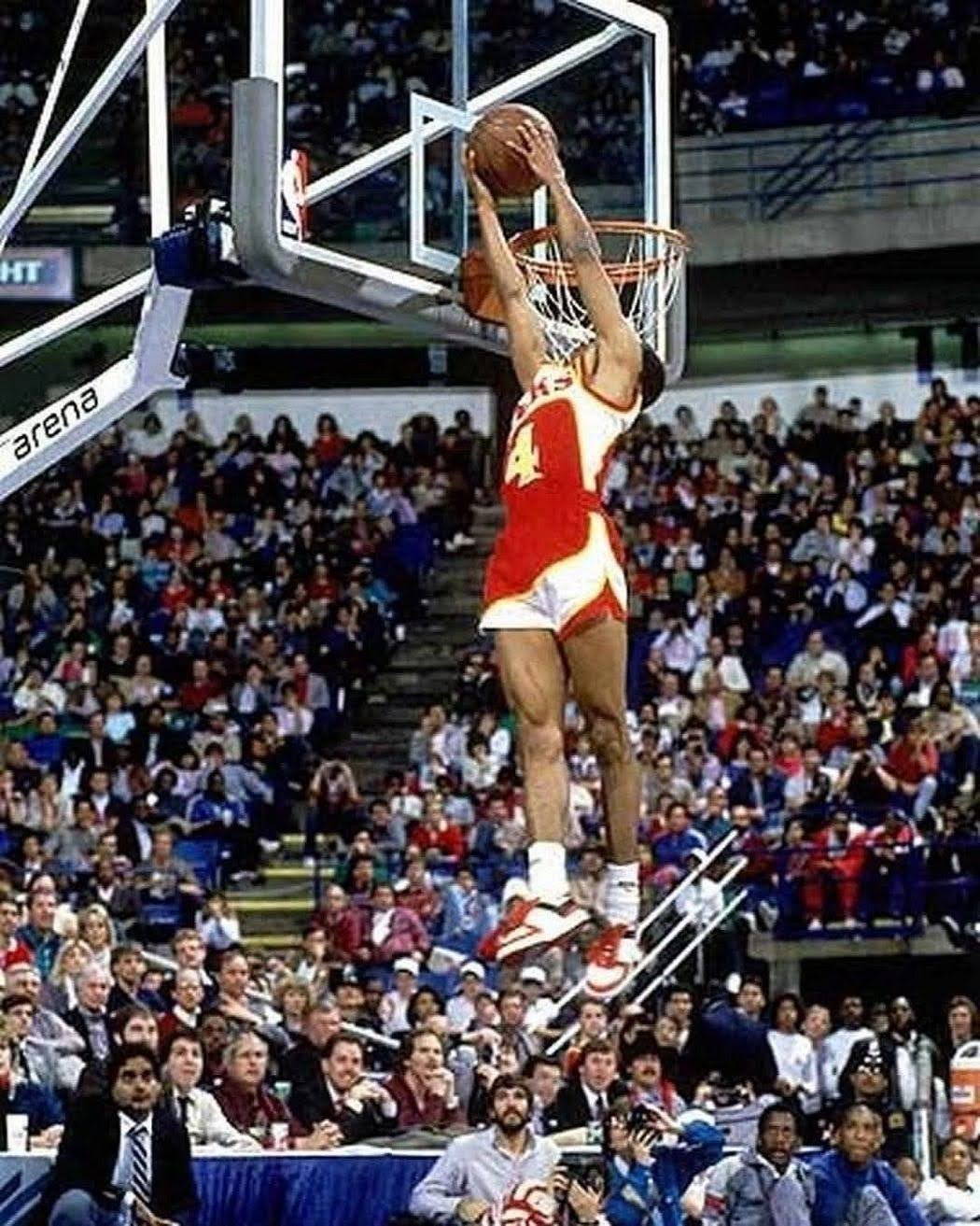
Jordan, Carter, Morant, Webb. The answers change depending on who’s telling the story. Here’s why
For decades, basketball fans have chased one question:
Who had the highest vertical jump in NBA history?
Michael Jordan, Vince Carter, Wilt Chamberlain, Ja Morant, Spud Webb.
The names change depending on who’s answering. The argument never really settles.
That’s not random.
The NBA doesn’t measure how high players jump. It measures how high they reach. That’s where the whole argument breaks.
How vertical jump is actually measured
At the NBA Draft Combine, players use a device called a Vertec.
It records the gap between:
- Standing reach (flat-footed, one arm extended)
- Maximum fingertip reach at the peak of a jump
That number becomes their “vertical.”
It sounds objective. It isn’t.
Standing reach shifts. Posture, arm extension, even effort can change the baseline. Lower the starting point, and the vertical goes up without the jump changing.
Standing vs max vertical
There are two measurements:
- Standing vertical — no steps, pure leg power
- Max vertical — short run-up, combining speed and lift
Most in-game jumps look like the second. Treating them as identical erases the difference between power and momentum.
What actually matters is jump reach
Basketball rewards height at the point of contact, not inches off the ground.
Jump reach = height + wingspan + vertical
A 6’11” player with a 38” vertical meets the rim at roughly the same height as a 6’3” guard jumping 45”.
The part the combine doesn’t measure
The missing piece is how quickly a player leaves the floor.
Some players rise gradually. Others are already at full extension before defenders react. That’s why Ja Morant or Russell Westbrook often look higher than their numbers.
Methodology (what’s measured vs estimated)
- Combine data is used where it exists
- Verified measurements are prioritized
- Where no official numbers are available, ranges come from game footage and multiple scouting estimates
- Rankings weigh what actually happens on the floor, not what gets recorded in a gym
This is not a list of the highest recorded numbers.
It’s a ranking of how high players actually play.
The 25 Greatest Vertical Jumpers in NBA History

25. Nate Robinson (5’9”)
Estimated vertical: ~43–45”
Three-time dunk contest winner. Power and speed packed into a smaller frame.
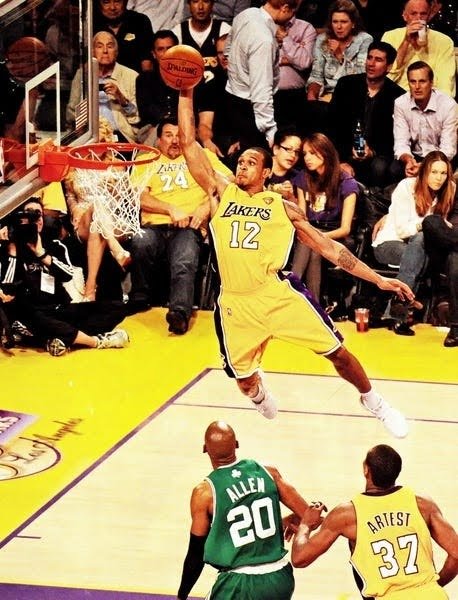
24. Shannon Brown (6’4”)
Estimated vertical: ~44”
Chase-down blocks, second jumps, moments where he was already at full height before anyone else reacted.

23. DJ Stephens (6’5”)
Vertical: 46”+ (reported)
In testing, he was near the top. In NBA minutes, he couldn’t recreate it consistently.
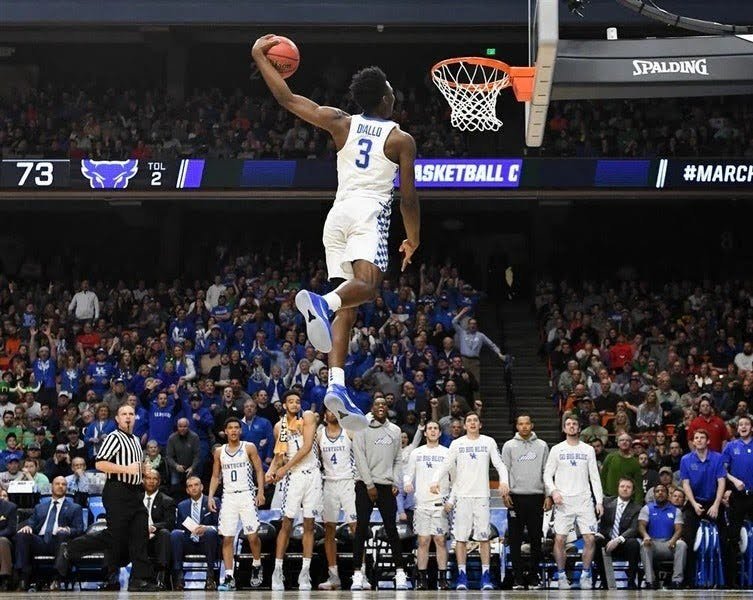
22. Hamidou Diallo (6’5”)
Vertical: ~44.5” (combine)
The dunk over Tacko Fall says more than any measurement.

21. Gerald Green (6’6”)
Estimated vertical: ~40+”
Best seen in space — dunk contests, straight-line finishes, quick putbacks. Over full games, it came and went.
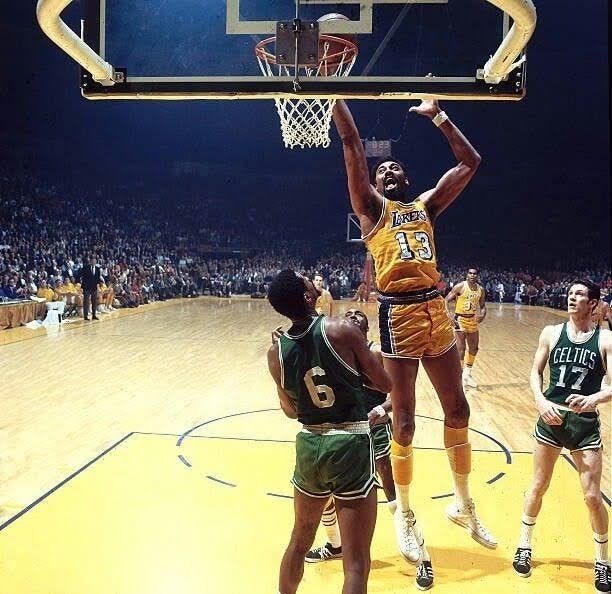
20. Wilt Chamberlain (7’1”)
Estimated vertical: 38–41”
At 7’1”, a real 40-inch vertical is rare. It meant he played above everyone else without needing perfect timing.
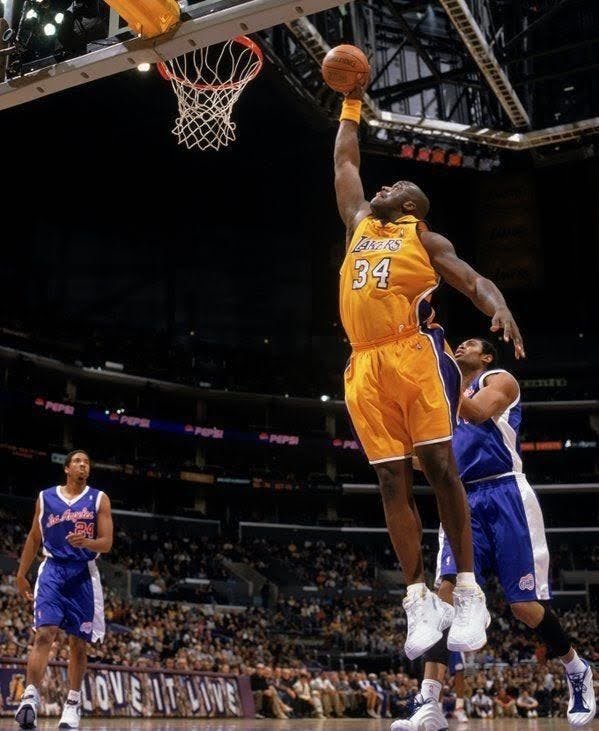
19. Shaquille O’Neal (7’1”)
Vertical: ~32–36”
He didn’t need a high number. Once he jumped, the play was already over.
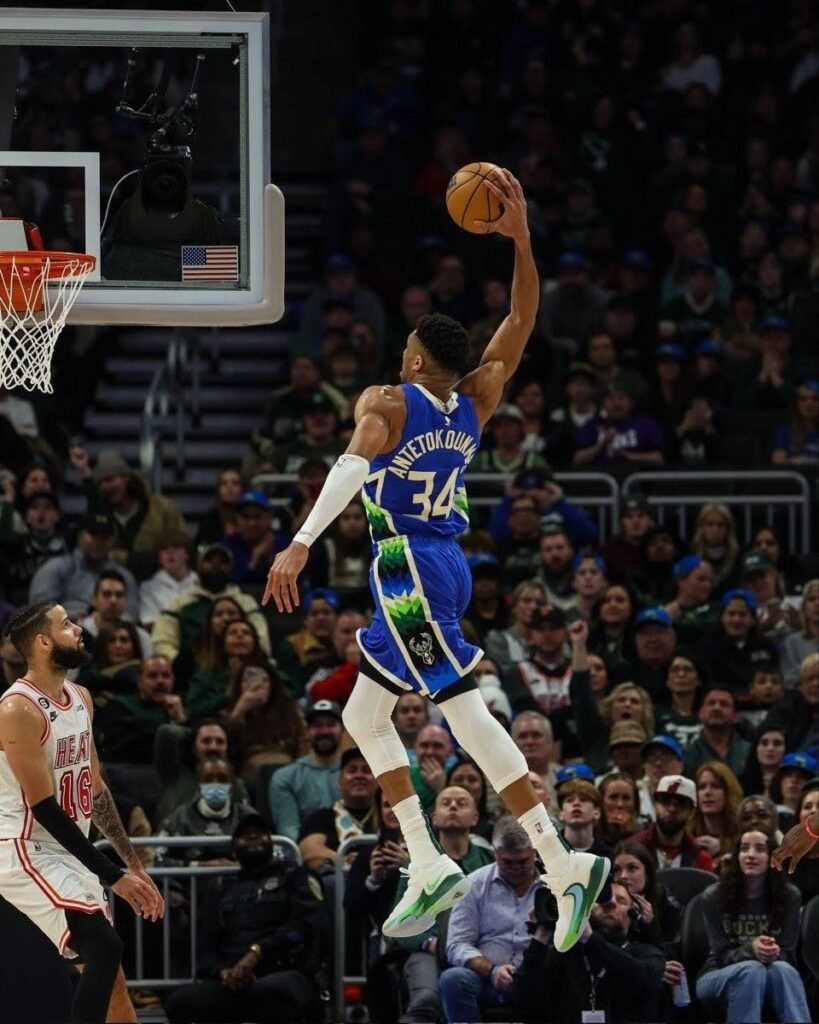
18. Giannis Antetokounmpo (6’11”)
Vertical: ~40”
Two strides from the perimeter and he’s finishing at the rim.
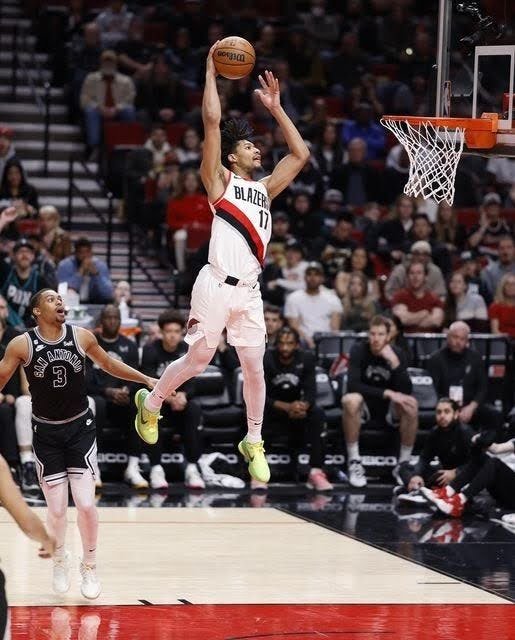
17. Shaedon Sharpe (6’6”)
Estimated vertical: ~44”
He barely gathers. One step and he’s already up.
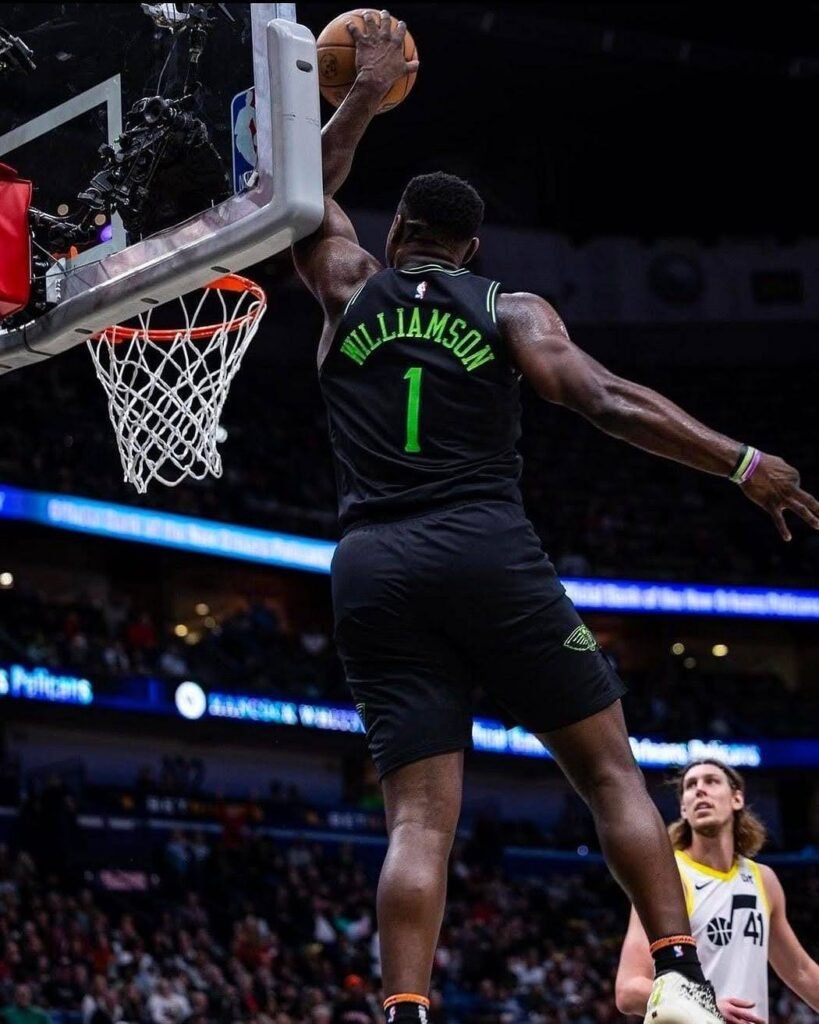
16. Zion Williamson (6’6”, ~285 lbs)
Estimated vertical: ~40+”
Where others get space, he gets through bodies.
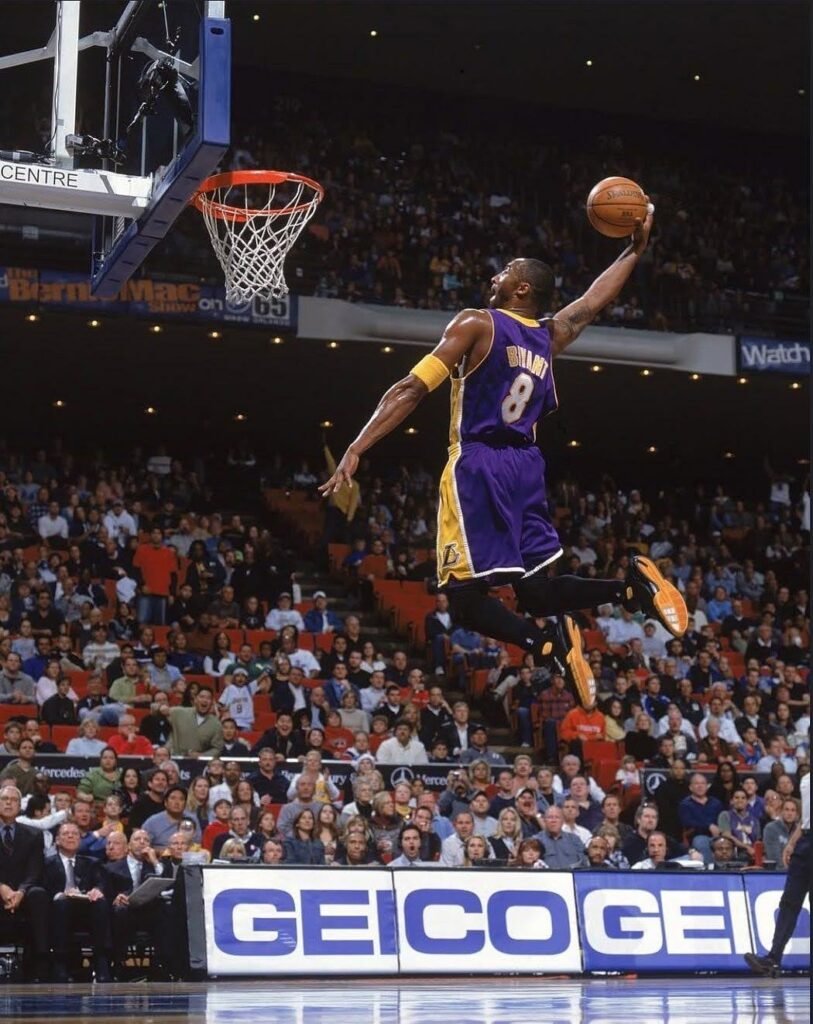
15. Kobe Bryant (6’6”)
Vertical: ~38”
He adjusted midair and still finished through contact.

14. Blake Griffin (6’10”)
Vertical: ~37”
Lob finishes over traffic, putbacks above outstretched arms — at 6’10”, that number plays differently.
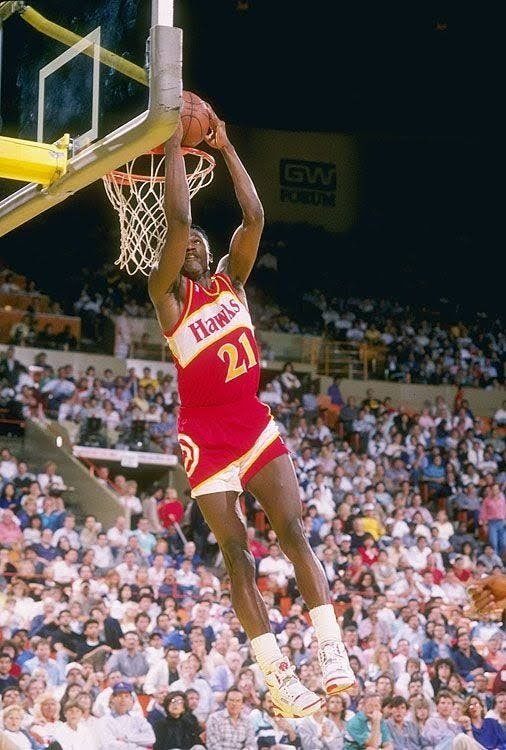
13. Dominique Wilkins (6’7”)
Estimated vertical: 40–42”
Wilkins attacked the rim with force. He didn’t stay above defenders, he went through them.
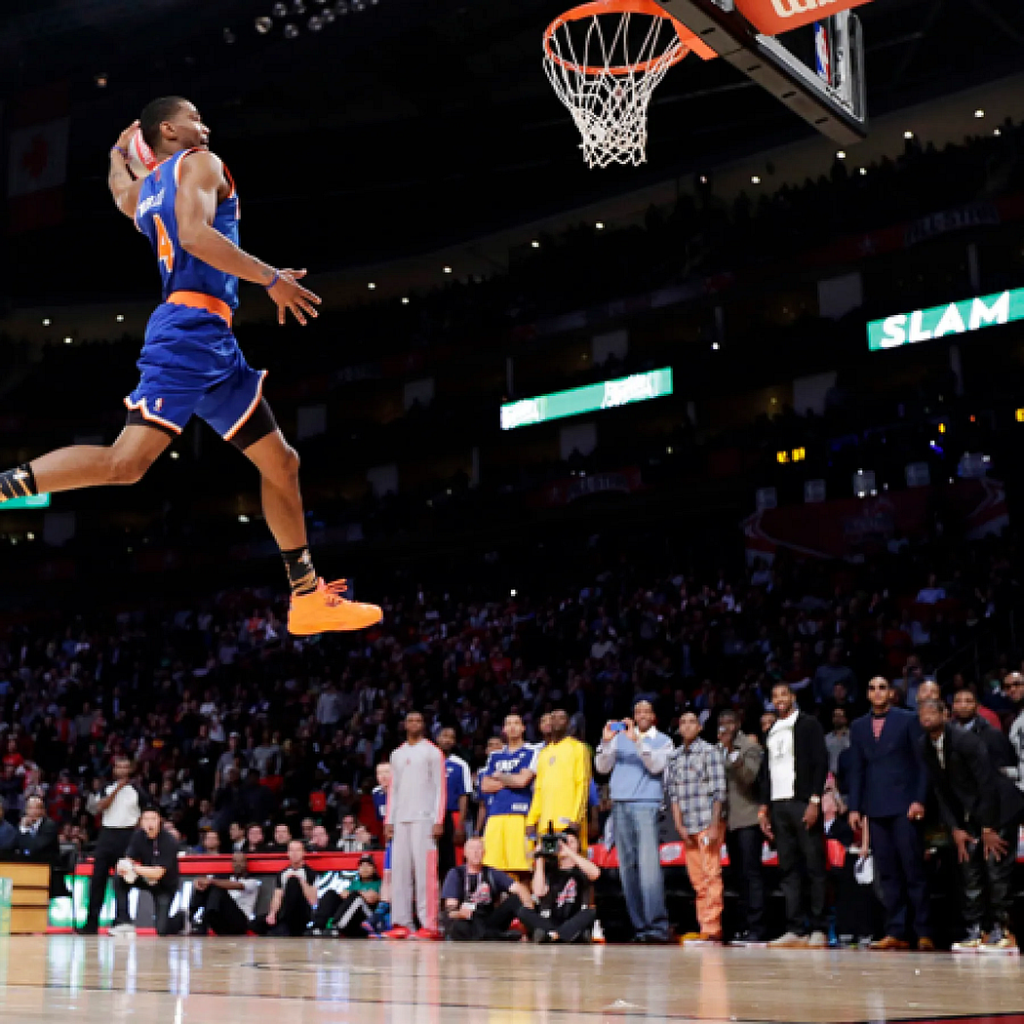
12. James White (6’7”)
Estimated vertical: ~46”
Few players have jumped higher in controlled settings.
It didn’t shape games the same way.
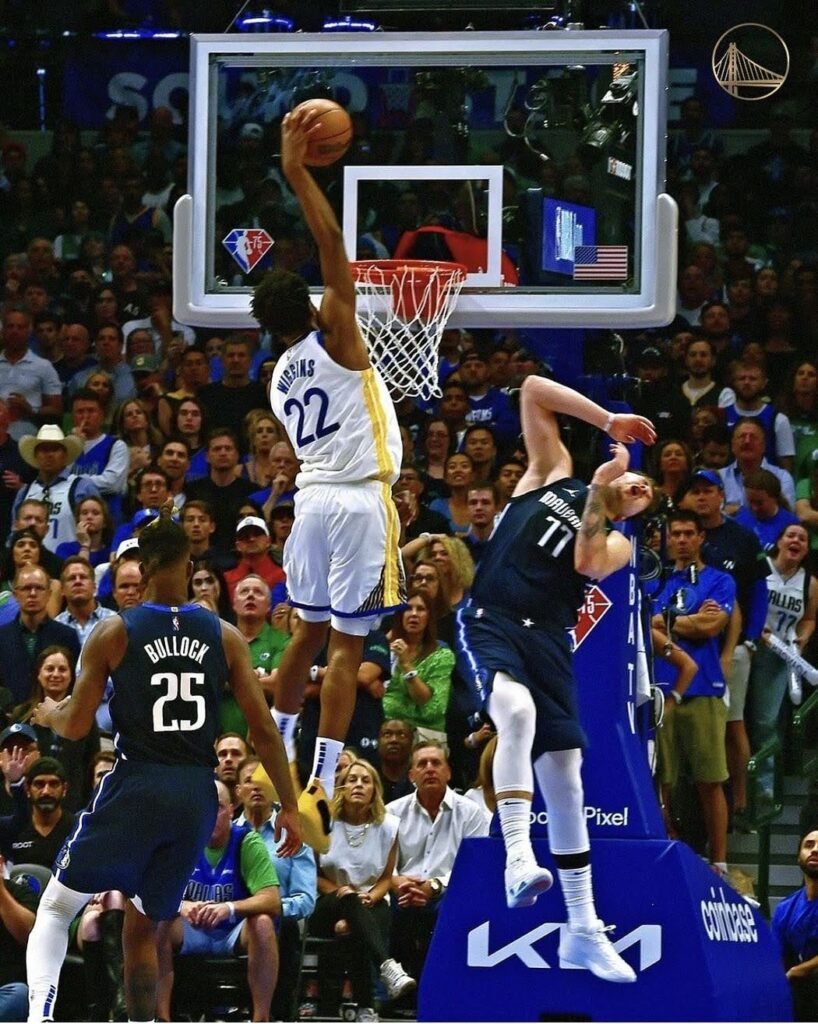
11. Andrew Wiggins (6’7”)
Max vertical: 44” (combine verified)
What was measured is exactly what shows up on the floor.
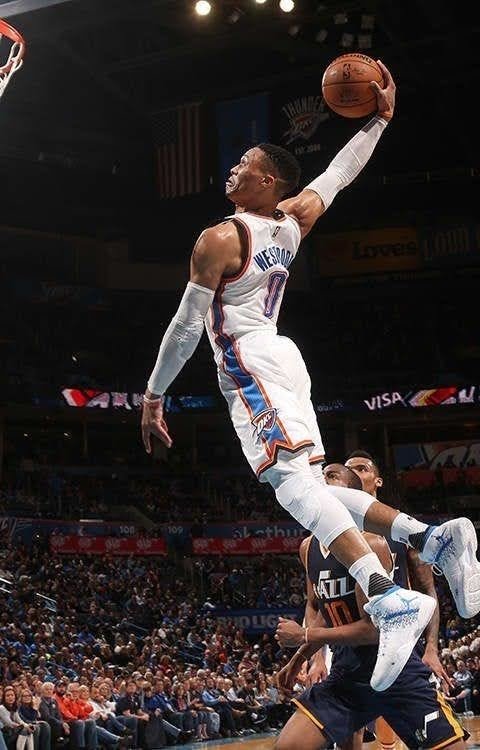
10. Russell Westbrook (6’3”)
Combine vertical: ~36.5”
Game vertical: low 40s
The test misses the speed. He reaches full height before defenders can load to jump.
That’s why rebounds and putbacks come from underneath people.
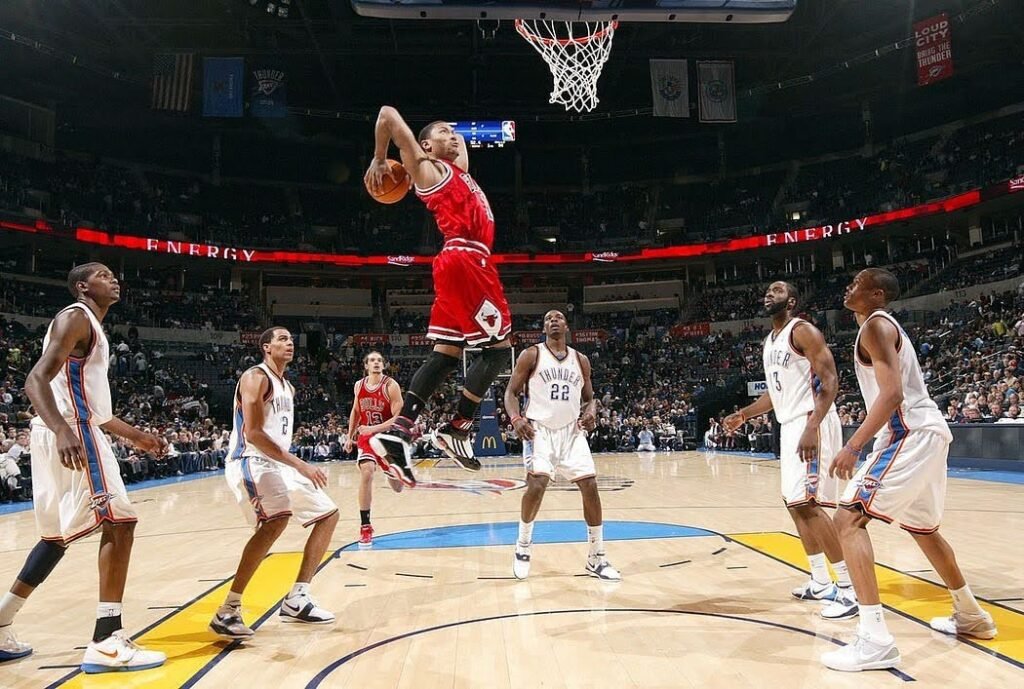
9. Derrick Rose (6’3”)
Estimated vertical: 41–43”
Rose’s best jumps came off one foot, carrying speed straight into the air.
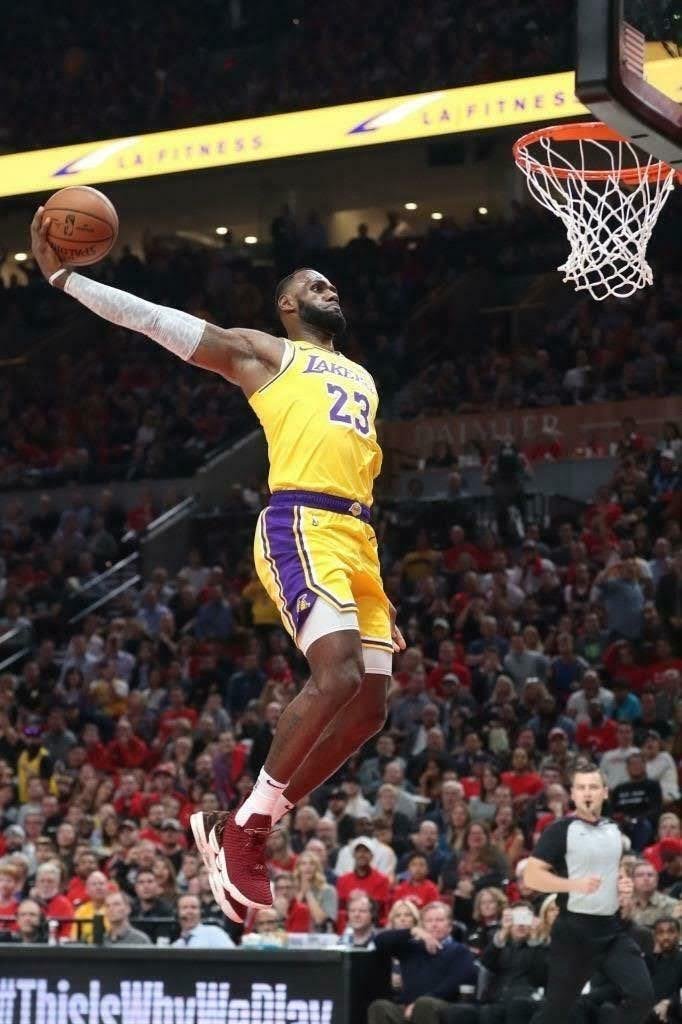
8. LeBron James (6’8”, ~250+ lbs)
Estimated vertical: 40–44”
At that size, elevation turns into contact. Putbacks, lob finishes, drives through bodies — the jump doesn’t just clear space, it erases it.
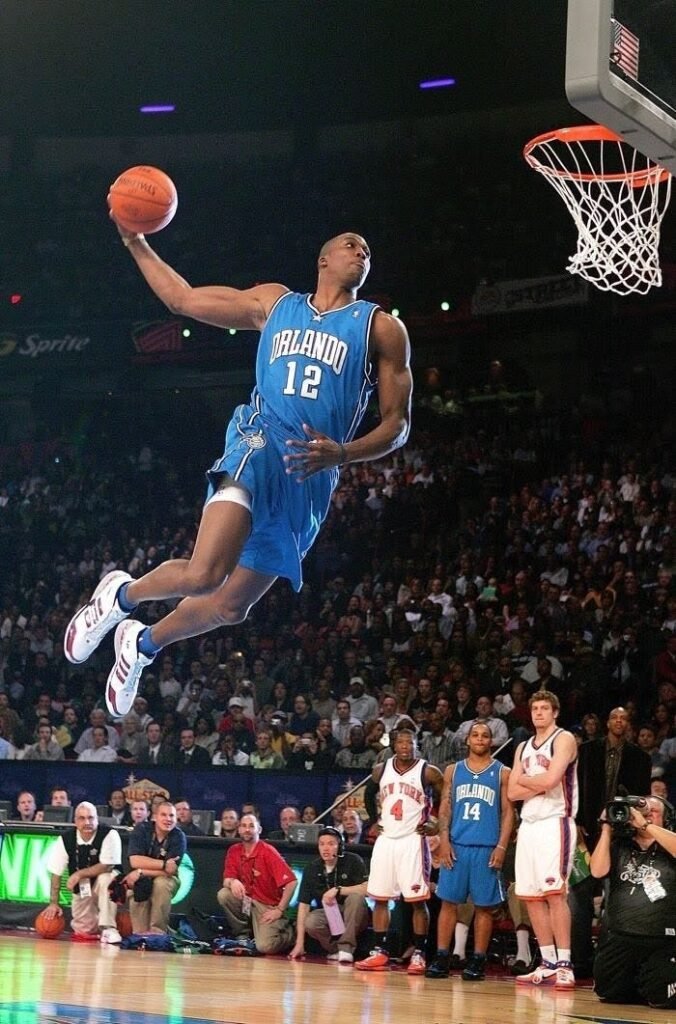
7. Dwight Howard (6’11”)
Vertical: ~39.5”
Jump reach: ~13’
He started his jump where most players are still rising.
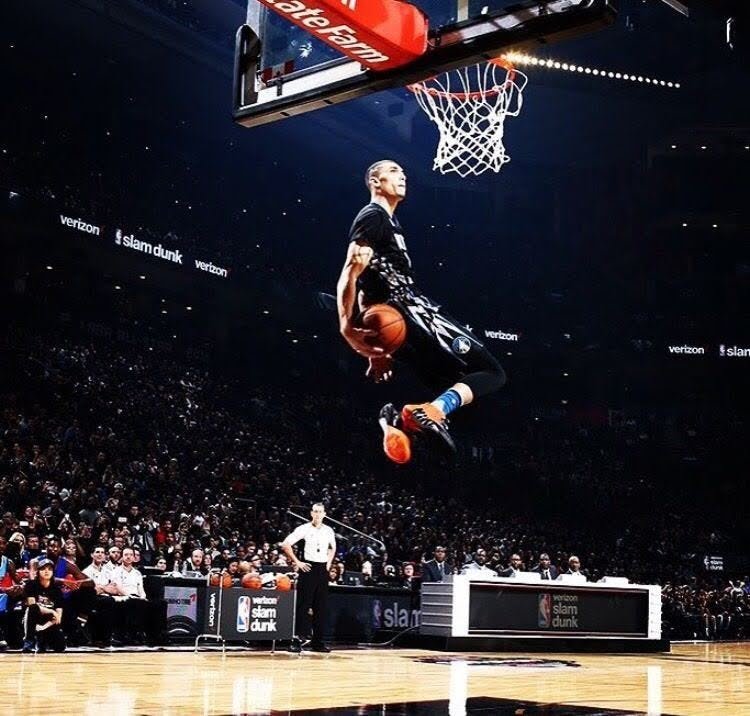
6. Zach LaVine (6’5”)
Standing vertical: ~41”
Max vertical: ~44”
The test and the games match. Same height, same ease, same results.

5. Ja Morant (6’3”)
Estimated max vertical: 44–46”
Morant doesn’t drift into his jump. He’s already at his peak before defenders can react.
That’s why help arrives late.
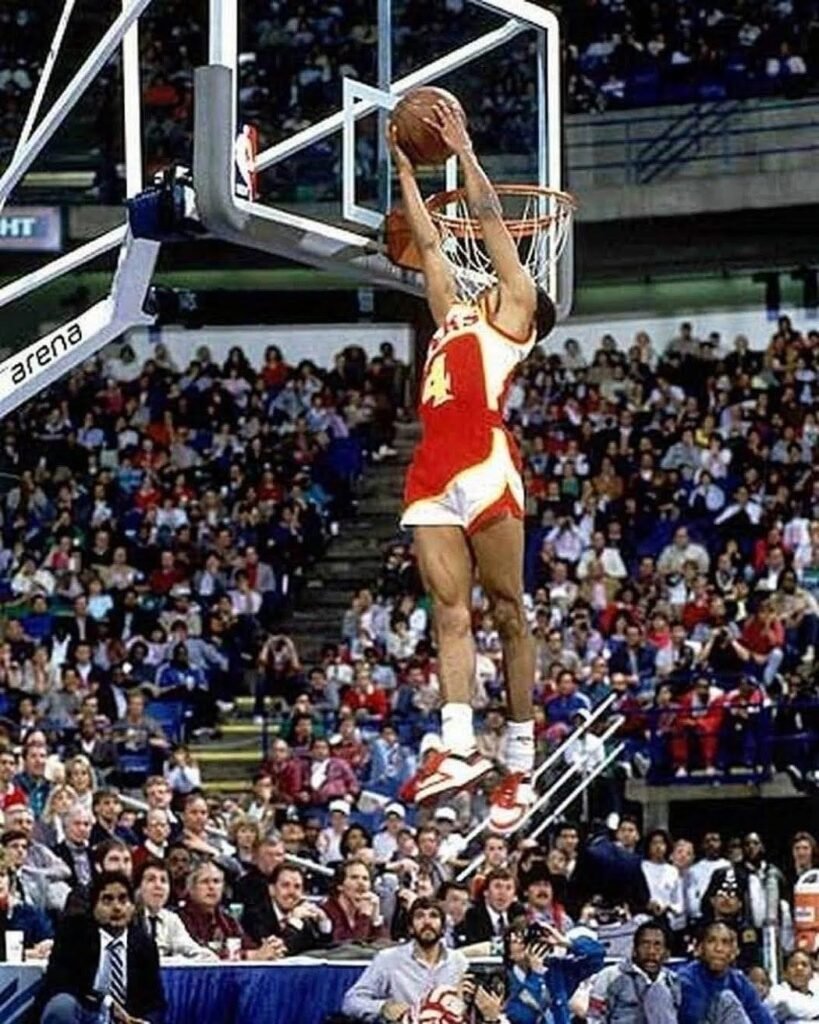
4. Spud Webb (5’7”)
Estimated vertical: ~46”
At this height, reaching the rim repeatedly is the outlier.
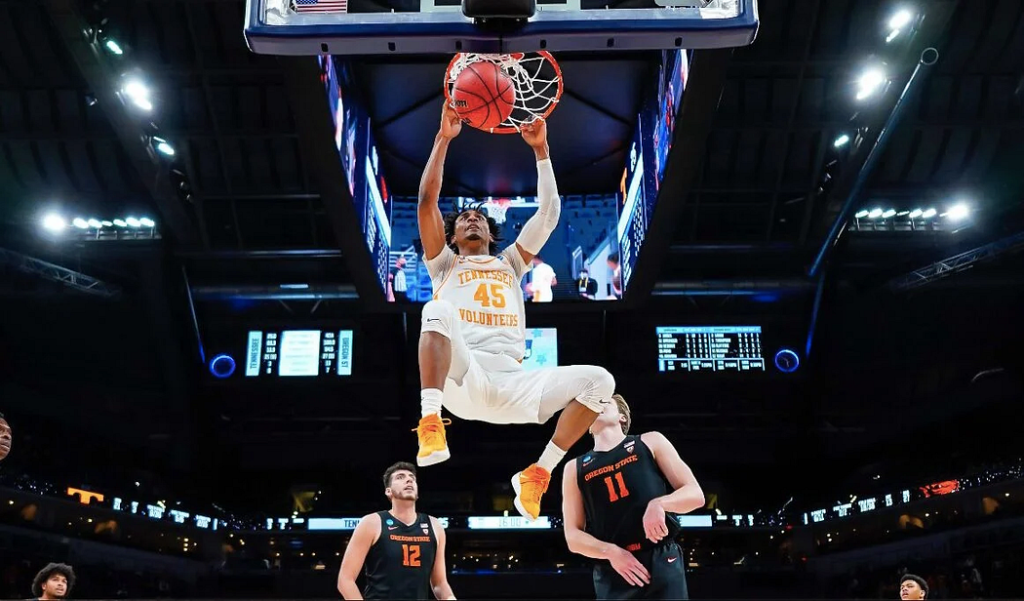
3. Keon Johnson (6’5”)
Official max vertical: 48” (NBA Combine record)
The highest number recorded at the combine, with context.
His standing reach was unusually low, which inflated the result. Adjust it, and he still lands in the mid-40s. He’s still one of the best jumpers the combine has ever recorded.
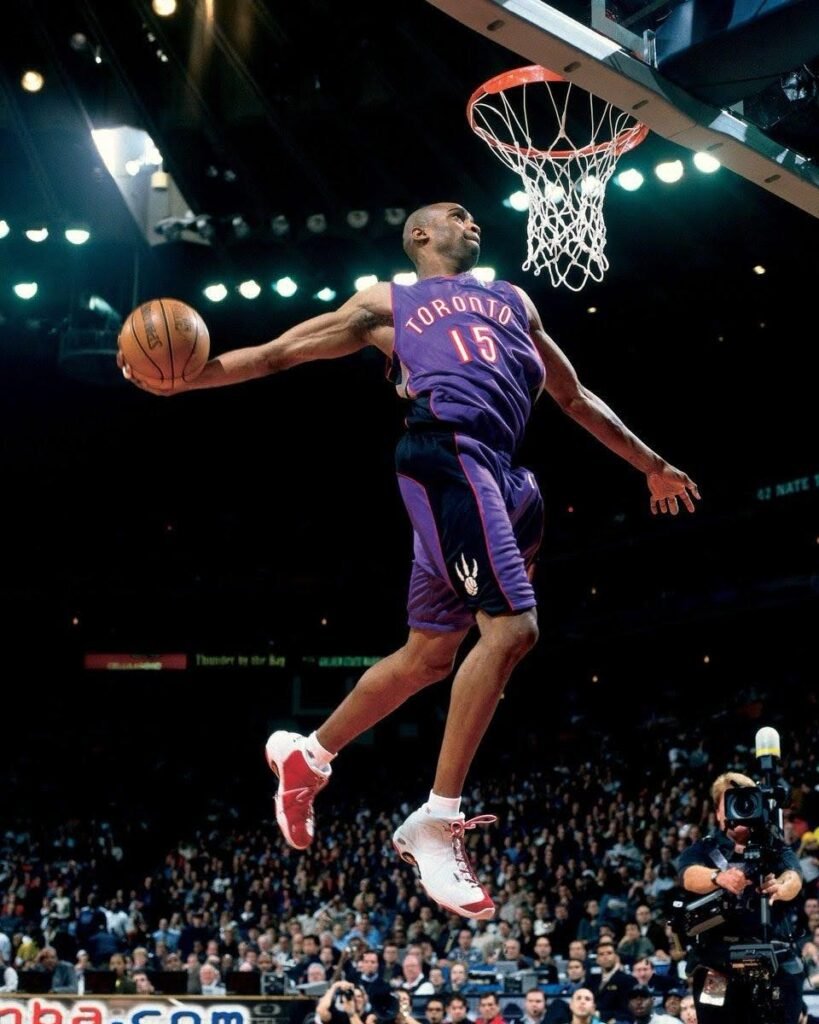
2. Vince Carter (6’6”)
Estimated vertical: low-to-mid 40s
Carter’s numbers have always been debated. His timing is not.
He met defenders on the way down.
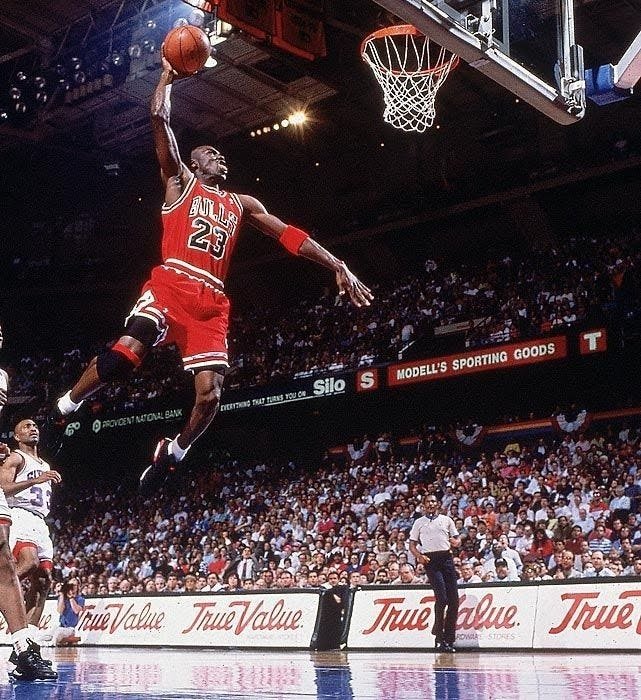
1. Michael Jordan (6’6”)
Estimated max vertical: 45–46”
Jump reach: ~12’6”+
Training-era measurements and televised analysis, including Sports Science, put him in the mid-40s.
What separated him was doing it every night, not once under ideal conditions.
There isn’t a single highest vertical jump in NBA history.
Because vertical isn’t the thing that matters most.
Reach is. Timing is. Speed off the floor is.
The NBA gives you a number. The game shows you something else.
Once you see that difference, the question changes.
Not how high someone jumps.
How high they actually play.