Some of football’s biggest shifts began with decisions that didn’t look important at the time
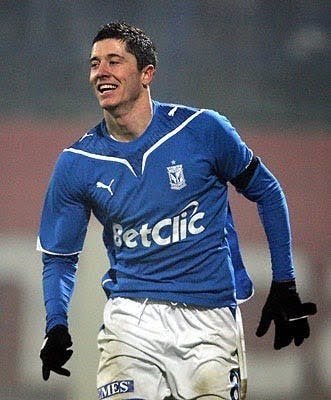
In April 2010, a cloud of volcanic ash drifted across Europe and grounded air travel.
It didn’t feel connected to football. It wasn’t.
But somewhere in that disruption, a transfer stopped before it could be completed. Nothing collapsed and no one walked away. The move simply couldn’t happen when it needed to.
Robert Lewandowski stayed where he was.
He would later move to Germany, into a system that suited him. At Borussia Dortmund, his role expanded beyond finishing chances. He became part of something coordinated: pressure, timing, movement working together. The environment didn’t just support his development. It shaped it.
Change the timing, and that version becomes harder to picture.
Football history is usually told through what happened—the goals, the trophies, the moments that hold—but some of its most consequential shifts pass quietly and only become visible years later, when everything around them has settled.
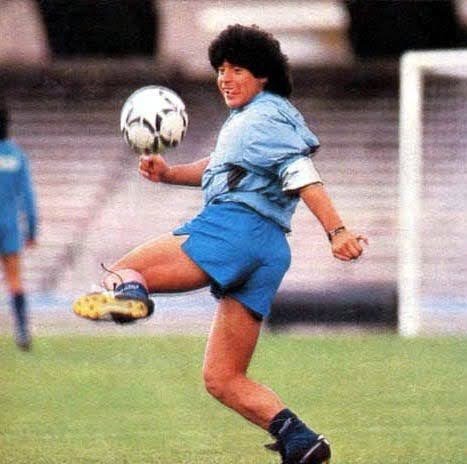
Diego Maradona was once offered to an English club for £200,000.
He was 17, still in Argentina, already gifted but not yet inevitable.
Sheffield United were interested, then hesitant. The fee looked high for someone untested in Europe. The decision wasn’t dramatic. They simply moved on.
Instead, they signed Alejandro Sabella.
Sabella became a very good player. Intelligent, composed, respected. The kind of signing that makes sense in the moment.
Maradona went elsewhere.
What followed depended on where he landed. Napoli became the center of his story, the team, the city, the way everything bent around him. That combination of player, team and city didn’t just elevate Maradona. For a period, it shifted the balance of European football.
That hesitation shows up again, years later.
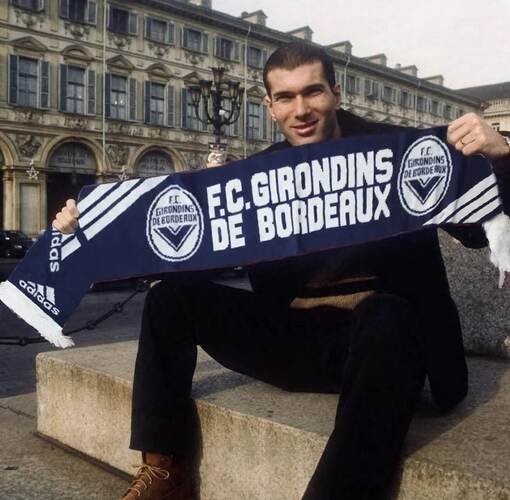
Blackburn Rovers had the chance to sign Zinedine Zidane in the mid-1990s, when he was still at Bordeaux. There was interest. There was a path. It didn’t go through.
What lingered afterward was simple: he didn’t look necessary.
Blackburn had already reached the top. The question was not how to improve, but how to stay there. Zidane would have changed the way the team functioned rather than simply strengthening it, slowing games down, creating angles, extending control.
Years later, the same club came close to signing Robert Lewandowski.
This time, the decision had already been made. The deal was in place. Only the final step remained.
Then the flights stopped.
The transfer didn’t fail in negotiation. It failed in timing.
Lewandowski ended up in a system that drew more out of him. Blackburn, at that point, operated very differently, more direct, less structured around collective pressing, asking different things from its forwards.
The same club missed twice.
Once through choice. Once through circumstance.
Not all of these moments come down to hesitation or accident.
Some come down to something else.
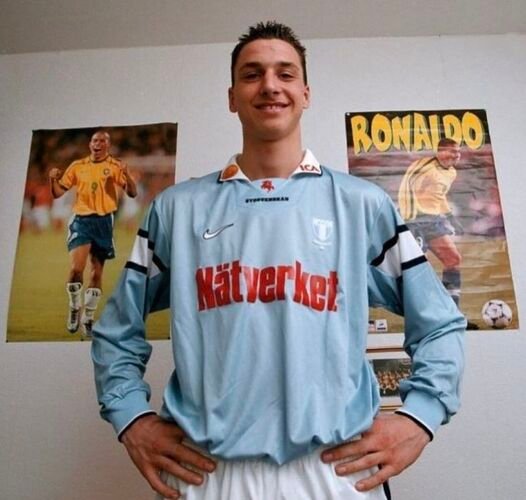
Zlatan Ibrahimović was invited to Arsenal as a teenager. Arsène Wenger wanted to see him up close before committing.
Zlatan refused.
“No chance. Zlatan doesn’t do auditions.”
It wasn’t negotiation or timing. It was a player deciding who he was before the rest of the game had fully caught up.
Arsenal, at that time, had a clear way of playing, built around movement, balance and players working within a system. Zlatan would have brought something less contained, a different kind of focal point.
It might have worked. It might not have.
What’s clear is that neither side would have stayed quite the same.
Neymar faced an early fork in the road too. As explored in 20 facts about Neymar’s life and career, he trialled with Real Madrid at 14 but stayed in Brazil before eventually joining Barcelona.
Some shifts begin with a decision.
Some with hesitation.
Some with a grounded flight.
And sometimes they begin with a player deciding who he is before anyone else gets the chance to decide for him.